Items filtered by date: January 2026
Get Professional Care for a Broken Foot or Ankle

Constant care and regular evaluation are important for a foot or ankle fracture. If left untreated, foot or ankle fractures can worsen over time and create more serious problems.
Don't wait to be examined if you believe you've experienced a foot or ankle fracture.
When the Fat Pad Under the Foot Breaks Down

Fat pad syndrome affects the soft cushioning under the heel or ball of the foot that helps absorb impact during walking. Over time, this padding can thin out, shift, or lose its shock absorbing ability. Aging, repetitive impact, long periods of standing, walking barefoot on hard surfaces, and poorly cushioned shoes can all contribute. Pain is often described as a deep ache or bruised feeling that worsens with activity and improves with rest. Discomfort is usually felt directly under the heel or forefoot rather than along the sides. The area may feel tender to the touch, and walking barefoot can be especially uncomfortable. Because symptoms can resemble other foot problems, proper evaluation is important. Supportive footwear and targeted care can help protect the area and reduce strain. If your foot feels bruised or painful and persists or worsens with walking, it is suggested that you see a podiatrist for a diagnosis and appropriate treatment.
If you need your feet checked, contact Gregory Kranzusch, DPM of Foot and Ankle Center of St. Charles County. Our doctors will attend to all of your foot and ankle needs and provide you with quality treatment.
Geriatrics and Podiatry
When people age, some common issues that may occur are bone density loss, dry skin, poor circulation, and rough brittle nails. These issues may also affect your foot health if the necessary steps are not taken to alleviate the problems.
It is important to take care of your feet because feet that are injured or diseased can affect your overall health. Having painful feet hinders your ability to do daily activities or may decrease your willingness to do the things that you need to do.
Visiting Your Geriatrician
As we age, health problems become more likely, so it is essential to visit your doctor for check-ups to ensure that you are doing the best you can to take care of your health. It is recommended to check your feet frequently for any possible cuts, bruises, swelling, corns or any other irregularities.
Taking Care of Elderly Feet
Cracked or dry feet can be treated by applying moisturizer often. It is also important not to wear old socks because the older the sock is, the higher the possibility there will be that there is bacteria there. Wear fresh socks and make sure they fit properly.
Proper foot health means that you can have a more active lifestyle and you will not be bogged down by pain. Foot health also leads to good circulation, which is paramount for overall health.
If you have any questions, please feel free to contact our office located in St. Charles, MO . We offer the newest diagnostic and treatment technologies for all your foot care needs.
The Importance of Diabetic Foot Care With Podiatric Help
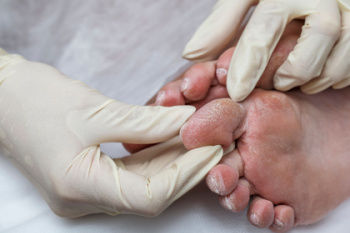
Diabetes is a chronic condition that affects how the body regulates blood sugar, and it can have serious effects on foot health. Diabetic foot problems develop when prolonged high blood sugar damages nerves and blood vessels in the feet. Loss of sensitivity may prevent a person from noticing cuts, blisters, or pressure points, allowing infections to form and worsen without early treatment. Additionally, limited blood supply can slow healing and increase the risk of ulcers and complications. A podiatrist plays a critical role in diabetic foot care by performing regular foot exams, treating wounds, managing infections, and providing guidance on proper footwear and daily foot care. If you have diabetes, it is strongly suggested that you are under the care of a podiatrist who can help protect your feet and reduce complications. Proactive podiatric care is essential in supporting long-term mobility and overall health.
Diabetic foot care is important in preventing foot ailments such as ulcers. If you are suffering from diabetes or have any other concerns about your feet, contact Gregory Kranzusch, DPM from Foot and Ankle Center of St. Charles County. Our doctors can provide the care you need to keep you pain-free and on your feet.
Diabetic Foot Care
Diabetes affects millions of people every year. The condition can damage blood vessels in many parts of the body, especially the feet. Because of this, taking care of your feet is essential if you have diabetes, and having a podiatrist help monitor your foot health is highly recommended.
The Importance of Caring for Your Feet
- Routinely inspect your feet for bruises or sores.
- Wear socks that fit your feet comfortably.
- Wear comfortable shoes that provide adequate support.
Patients with diabetes should have their doctor monitor their blood levels, as blood sugar levels play such a huge role in diabetic care. Monitoring these levels on a regular basis is highly advised.
It is always best to inform your healthcare professional of any concerns you may have regarding your feet, especially for diabetic patients. Early treatment and routine foot examinations are keys to maintaining proper health, especially because severe complications can arise if proper treatment is not applied.
If you have any questions, please feel free to contact our office located in St. Charles, MO . We offer the newest diagnostic and treatment technologies for all your foot care needs.
Tarsal Tunnel Syndrome and Foot Health
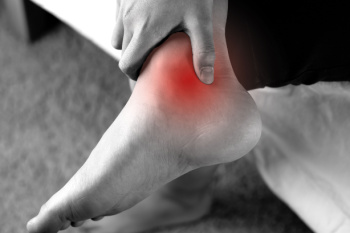
Tarsal tunnel syndrome is a condition that occurs when the tibial nerve, located along the inner ankle, becomes compressed or irritated. This pressure can result from inflammation, swelling, bone spurs, or structural abnormalities in the foot. Common symptoms include tingling, burning, numbness, or sharp pain along the sole, heel, or arch, often worsening with prolonged standing or activity. If left untreated, the condition may affect mobility and lead to chronic discomfort. A podiatrist can evaluate nerve function, identify underlying causes, and create a personalized treatment plan. Care may include orthotics, anti-inflammatory strategies, or, in severe cases, surgical intervention. If you have pain on the inside or your ankle, it i s suggested that you consult a podiatrist who can accurately diagnose and treat what may be going on.
Tarsal tunnel syndrome can be very uncomfortable to live with. If you are experiencing tarsal tunnel syndrome, contact Gregory Kranzusch, DPM of Foot and Ankle Center of St. Charles County. Our doctors can provide the care you need to keep you pain-free and on your feet.
Tarsal Tunnel Syndrome
Tarsal tunnel syndrome, which can also be called tibial nerve dysfunction, is an uncommon condition of misfiring peripheral nerves in the foot. The tibial nerve is the peripheral nerve in the leg responsible for sensation and movement of the foot and calf muscles. In tarsal tunnel syndrome, the tibial nerve is damaged, causing problems with movement and feeling in the foot of the affected leg.
Common Cause of Tarsal Tunnel Syndrome
- Involves pressure or an injury, direct pressure on the tibial nerve for an extended period of time, sometimes caused by other body structures close by or near the knee.
- Diseases that damage nerves, including diabetes, may cause tarsal tunnel syndrome.
- At times, tarsal tunnel syndrome can appear without an obvious cause in some cases.
The Effects of Tarsal Tunnel Syndrome
- Different sensations, an afflicted person may experience pain, tingling, burning or other unusual sensations in the foot of the affected leg.
- The foot muscles, toes and ankle become weaker, and curling your toes or flexing your foot can become difficult.
- If condition worsens, infections and ulcers may develop on the foot that is experiencing the syndrome.
A physical exam of the leg can help identify the presence of tarsal tunnel syndrome. Medical tests, such as a nerve biopsy, are also used to diagnose the condition. Patients may receive physical therapy and prescriptive medication. In extreme cases, some may require surgery.
If you have any questions please contact our office located in St. Charles, MO . We offer the newest diagnostic and treatment technologies for all your foot and ankle needs.
Understanding Clubfoot and Early Care Options
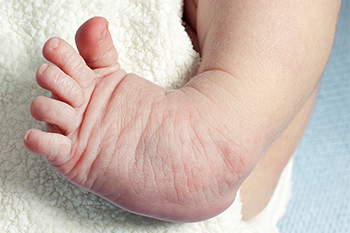
Clubfoot is a congenital foot condition in which a newborn foot appears twisted inward and downward due to abnormal development of muscles, tendons, and bones. Risk increases with family history, limited space in the womb, or certain neuromuscular conditions. Common signs include a visibly rotated foot, stiffness, and differences in calf muscle size as a child grows. Although clubfoot does not cause pain at birth, it can affect walking and long-term mobility if left untreated. A podiatrist plays an important role in early diagnosis and personalized treatment, which may include gentle stretching, casting, bracing, and ongoing monitoring to support healthy foot alignment and function. Early intervention leads to excellent outcomes and improved quality of life. If your child has been born with clubfoot, it is suggested that you include a podiatrist on your health care team to begin a confident path toward proper foot development.
Congenital foot problems require immediate attention to avoid future complications. If you have any concerns, contact Gregory Kranzusch, DPM of Foot and Ankle Center of St. Charles County. Our doctors can provide the care you need to keep you pain-free and on your feet.
Congenital foot problems are deformities affecting the feet, toes, and/or ankles that children are born with. Some of these conditions have a genetic cause while others just happen. Some specific foot ailments that children may be born with include clubfeet, polydactyly/macrodactyly, and cleft foot. There are several other foot anomalies that can occur congenitally. What all of these conditions have in common is that a child may experience difficulty walking or performing everyday activities, as well as trouble finding footwear that fits their foot deformity. Some of these conditions are more serious than others. Consulting with a podiatrist as early as possible will help in properly diagnosing a child’s foot condition while getting the necessary treatment underway.
What are Causes of Congenital Foot Problem?
A congenital foot problem is one that happens to a child at birth. These conditions can be caused by a genetic predisposition, developmental or positional abnormalities during gestation, or with no known cause.
What are Symptoms of Congenital Foot Problems?
Symptoms vary by the congenital condition. Symptoms may consist of the following:
- Clubfoot, where tendons are shortened, bones are shaped differently, and the Achilles tendon is tight, causing the foot to point in and down. It is also possible for the soles of the feet to face each other.
- Polydactyly, which usually consists of a nubbin or small lump of tissue without a bone, a toe that is partially formed but has no joints, or an extra toe.
- Vertical talus, where the talus bone forms in the wrong position causing other bones in the foot to line up improperly, the front of the foot to point up, and the bottom of the foot to stiffen, with no arch, and to curve out.
- Tarsal coalition, when there is an abnormal connection of two or more bones in the foot leading to severe, rigid flatfoot.
- Cleft foot, where there are missing toes, a V-shaped cleft, and other anatomical differences.
- Macrodactyly, when the toes are abnormally large due to overgrowth of the underlying bone or soft tissue.
Treatment and Prevention
While there is nothing one can do to prevent congenital foot problems, raising awareness and receiving neonatal screenings are important. Early detection by taking your child to a podiatrist leads to the best outcome possible.
If you have any questions, please feel free to contact our office located in St. Charles, MO . We offer the newest diagnostic and treatment technologies for all your foot care needs.
