Items filtered by date: December 2025
Common Reasons Foot Pain Develops

Foot pain can arise from many different sources, and understanding the cause is the first step toward finding relief. Overuse from long hours on your feet, wearing unsupportive footwear, or sudden increases in activity can strain the muscles, tendons, and ligaments. Conditions such as plantar fasciitis, tendon injuries, arthritis, nerve irritation, or stress fractures can also create discomfort that builds gradually or appears suddenly. Some individuals experience pain from structural issues like flat feet or high arches, while others notice soreness linked to corns, calluses, or nail problems. Because the feet work hard with every step, even minor concerns can interfere with daily movement, if ignored. Paying attention to early signs helps prevent more serious problems from developing. If your foot pain persists, worsens, or affects the way you walk, it is suggested that you schedule an appointment with a podiatrist for further evaluation.
Foot Pain
Foot pain can be extremely painful and debilitating. If you have a foot pain, consult with Gregory Kranzusch, DPM from Foot and Ankle Center of St. Charles County. Our doctors will assess your condition and provide you with quality foot and ankle treatment.
Causes
Foot pain is a very broad condition that could be caused by one or more ailments. The most common include:
- Bunions
- Hammertoes
- Plantar Fasciitis
- Bone Spurs
- Corns
- Tarsal Tunnel Syndrome
- Ingrown Toenails
- Arthritis (such as Gout, Rheumatoid, and Osteoarthritis)
- Flat Feet
- Injury (from stress fractures, broken toe, foot, ankle, Achilles tendon ruptures, and sprains)
- And more
Diagnosis
To figure out the cause of foot pain, podiatrists utilize several different methods. This can range from simple visual inspections and sensation tests to X-rays and MRI scans. Prior medical history, family medical history, and any recent physical traumatic events will all be taken into consideration for a proper diagnosis.
Treatment
Treatment depends upon the cause of the foot pain. Whether it is resting, staying off the foot, or having surgery; podiatrists have a number of treatment options available for foot pain.
If you have any questions, please feel free to contact our office located in St. Charles, MO . We offer the newest diagnostic and treatment technologies for all your foot care needs.
Keep Your Feet Healthy So You Can Stay Active

Have your feet inspected by a professional before starting a new sport or physical activity. Taking charge of your foot health will keep you in good physical condition and can help you avoid a potential injury, such as a fracture or sprained ankle.
Prevent injuries and see a foot specialist.
When Heel Pain Starts With the Plantar Fascia

Plantar fasciitis develops when the thick band of tissue along the bottom of the foot becomes irritated, often from repeated strain or limited flexibility in the surrounding muscles. Many people first notice a sharp or pulling sensation near the heel when getting out of bed or after sitting for a while. As the day goes on, the pain may ease, only to return after long periods of standing or increased activity. The condition can appear in anyone, especially those who spend long hours on their feet, have high or low arches, or wear shoes that lack steady support. Addressing the irritation early with stretching, wearing supportive footwear, and activity changes helps prevent the problem from becoming persistent. If heel discomfort continues or begins to interfere with daily movement, it is suggested that you schedule an appointment with a podiatrist for proper guidance.
Plantar fasciitis can be very painful and inconvenient. If you are experiencing heel pain or symptoms of plantar fasciitis, contact Gregory Kranzusch, DPM from Foot and Ankle Center of St. Charles County. Our doctors can provide the care you need to keep you pain-free and on your feet.
What Is Plantar Fasciitis?
Plantar fasciitis is the inflammation of the thick band of tissue that runs along the bottom of your foot, known as the plantar fascia, and causes mild to severe heel pain.
What Causes Plantar Fasciitis?
- Excessive running
- Non-supportive shoes
- Overpronation
- Repeated stretching and tearing of the plantar fascia
How Can It Be Treated?
- Conservative measures – anti-inflammatories, ice packs, stretching exercises, physical therapy, orthotic devices
- Shockwave therapy – sound waves are sent to the affected area to facilitate healing and are usually used for chronic cases of plantar fasciitis
- Surgery – usually only used as a last resort when all else fails. The plantar fascia can be surgically detached from the heel
While very treatable, plantar fasciitis is definitely not something that should be ignored. Especially in severe cases, speaking to your doctor right away is highly recommended to avoid complications and severe heel pain. Your podiatrist can work with you to provide the appropriate treatment options tailored to your condition.
If you have any questions, please feel free to contact our office located in St. Charles, MO . We offer the newest diagnostic and treatment technologies for all your foot care needs.
Protecting Feet From Diabetic Ulcers and Promoting Healing
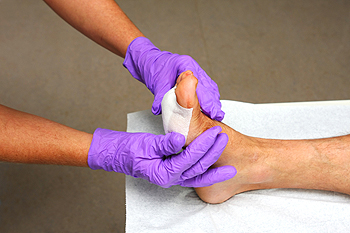
Diabetic foot ulcers are open sores or wounds that can develop on the feet of diabetics due to poor circulation, neuropathy, or prolonged pressure. They may look like red, inflamed areas with possible drainage or a foul odor, and the surrounding skin can appear thickened or callused. Many patients do not initially feel pain because nerve damage reduces sensation, making early detection challenging. Diabetic foot ulcers affect approximately 15 percent of people with diabetes during their lifetime and are a leading cause of lower limb loss, if not properly managed. A podiatrist can help by thoroughly examining the foot, assessing circulation and nerve function, and determining the severity of the wound. Treatment may include debridement, specialized dressings, offloading pressure with orthotics or footwear, infection management, and guidance on daily foot care. Prompt professional care supports faster healing, prevents infection, and reduces the risk of serious complications. If you notice a non-healing wound or unusual changes on your feet, it is suggested that you make an appointment with a podiatrist.
Wound care is an important part in dealing with diabetes. If you have diabetes and a foot wound or would like more information about wound care for diabetics, consult with Gregory Kranzusch, DPM from Foot and Ankle Center of St. Charles County. Our doctors will assess your condition and provide you with quality foot and ankle treatment.
What Is Wound Care?
Wound care is the practice of taking proper care of a wound. This can range from the smallest to the largest of wounds. While everyone can benefit from proper wound care, it is much more important for diabetics. Diabetics often suffer from poor blood circulation which causes wounds to heal much slower than they would in a non-diabetic.
What Is the Importance of Wound Care?
While it may not seem apparent with small ulcers on the foot, for diabetics, any size ulcer can become infected. Diabetics often also suffer from neuropathy, or nerve loss. This means they might not even feel when they have an ulcer on their foot. If the wound becomes severely infected, amputation may be necessary. Therefore, it is of the upmost importance to properly care for any and all foot wounds.
How to Care for Wounds
The best way to care for foot wounds is to prevent them. For diabetics, this means daily inspections of the feet for any signs of abnormalities or ulcers. It is also recommended to see a podiatrist several times a year for a foot inspection. If you do have an ulcer, run the wound under water to clear dirt from the wound; then apply antibiotic ointment to the wound and cover with a bandage. Bandages should be changed daily and keeping pressure off the wound is smart. It is advised to see a podiatrist, who can keep an eye on it.
If you have any questions please contact our office located in St. Charles, MO . We offer the newest diagnostic and treatment technologies for all your foot and ankle needs.
Foot and Ankle Joints Affected by Rheumatoid Arthritis
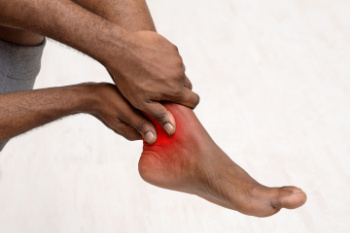
Rheumatoid arthritis can cause painful inflammation in the joints of the feet and ankles, making daily movement difficult. Rheumatoid arthritis, or RA, occurs when the immune system attacks the lining of the joints. It leads to stiffness, swelling, and warmth in areas, such as the toes, midfoot, or ankle. The joints most often affected include the metatarsophalangeal, or MTP, joints at the base of the toes, the subtalar joint beneath the heel, and the ankle joint where the foot meets the leg. Over time, joint damage can cause deformities. Hammertoes, bunions, nodules, and painful calluses can develop from uneven pressure. Circulation problems may also occur, sometimes causing ulcers or skin changes. A podiatrist can evaluate joint involvement through imaging, prescribe orthotics to redistribute pressure, and recommend surgery when necessary. If you have foot or ankle pain from rheumatoid arthritis, it is suggested that you make an appointment with a podiatrist for a diagnosis and treatment.
Because RA affects more than just your joints, including the joints in your feet and ankles, it is important to seek early diagnosis from your podiatrist if you feel like the pain in your feet might be caused by RA. For more information, contact Gregory Kranzusch, DPM of Foot and Ankle Center of St. Charles County. Our doctors will assist you with all of your podiatric concerns.
What Is Rheumatoid Arthritis?
Rheumatoid Arthritis (RA) is an autoimmune disorder in which the body’s own immune system attacks the membranes surrounding the joints. Inflammation of the lining and eventually the destruction of the joint’s cartilage and bone occur, causing severe pain and immobility.
Rheumatoid Arthritis of the Feet
Although RA usually attacks multiple bones and joints throughout the entire body, almost 90 percent of cases result in pain in the foot or ankle area.
Symptoms
- Swelling and pain in the feet
- Stiffness in the feet
- Pain on the ball or sole of feet
- Joint shift and deformation
Diagnosis
Quick diagnosis of RA in the feet is important so that the podiatrist can treat the area effectively. Your doctor will ask you about your medical history, occupation, and lifestyle to determine the origin of the condition. Rheumatoid Factor tests help to determine if someone is affected by the disease.
If you have any questions, please feel free to contact our office located in St. Charles, MO . We offer the newest diagnostic and treatment technologies for all your foot care needs.
Risk Factors for Sever’s Disease

Sever’s disease is a common heel condition that affects children during growth spurts when the heel bone develops faster than the surrounding tissues. This imbalance leads to irritation at the growth plate and causes noticeable discomfort during activity. Risk factors include high-impact sports, tight calf muscles, wearing improper footwear, and having flat feet or high arches. Symptoms often begin with heel pain, tenderness, swelling, and limping after play. A podiatrist can diagnose the condition through a detailed exam and recommend conservative treatments such as stretching, footwear guidance, and activity changes to reduce strain on the heel. Early care prevents prolonged discomfort and supports healthy development. If your active child has consistent heel pain, it is suggested that you contact a podiatrist who can offer effective relief tips, ensuring your child can safely return to sporting activities.
Sever's disease often occurs in children and teens. If your child is experiencing foot or ankle pain, see Gregory Kranzusch, DPM from Foot and Ankle Center of St. Charles County. Our doctors can treat your child’s foot and ankle needs.
Sever’s Disease
Sever’s disease is also known as calcaneal apophysitis, which is a medical condition that causes heel pain I none or both feet. The disease is known to affect children between the ages of 8 and 14.
Sever’s disease occurs when part of the child’s heel known as the growth plate (calcaneal epiphysis) is attached to the Achilles tendon. This area can suffer injury when the muscles and tendons of the growing foot do not keep pace with bone growth. Therefore, the constant pain which one experiences at the back of the heel will make the child unable to put any weight on the heel. The child is then forced to walk on their toes.
Symptoms
Acute pain – Pain associated with Sever’s disease is usually felt in the heel when the child engages in physical activity such as walking, jumping and or running.
Highly active – Children who are very active are among the most susceptible in experiencing Sever’s disease, because of the stress and tension placed on their feet.
If you have any questions, please feel free to contact our office located in St. Charles, MO . We offer the newest diagnostic and treatment technologies for all your foot care needs.
