Wound Care in St. Charles, MO
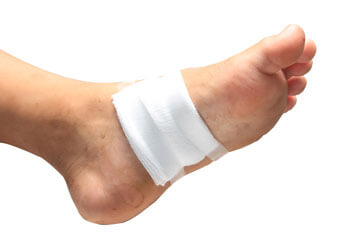
Wounds on the feet are a common occurrence in people who have diabetes. This is because those with diabetes also tend to have peripheral neuropathy, a type of nerve damage that can cause loss of sensation in the lower limbs, and poor blood circulation. Any small cut, scrape, or sore on diabetic feet may go unnoticed because of a lack of sensation, while poor blood flow to the area can mean that any injury will heal slowly, poorly, or not at all. Left undetected and untreated, even small wounds can become diabetic foot ulcers (DFUs), which can become infected and lead to serious medical complications, up to and including amputation in the worst-case scenarios.
Wound & Ulcer Prevention
Fortunately, there are steps that those with diabetes can take to care for their feet and prevent the formation of DFUs. People with diabetes should wear shoes and socks when walking to avoid foot injuries. The shoes should fit properly, cushion the feet, and have a low heel. When trimming the toenails, nail clippers should be used to cut the nails straight across and not too short. This helps prevent ingrown toenails, which can become infected and lead to DFUs. Finally, it is important to be vigilant of any potential foot problems by inspecting the feet daily for any irregularities, such as cuts, scrapes, sores, discoloration, swelling, pain, or any strange sensations like numbness, burning, or tingling.
To learn more about how to care for diabetic feet and prevent and treat foot wounds, please speak with a podiatrist.
Signs That Require Immediate Medical Attention
Even with careful foot care, some wounds may still develop and worsen. It is critical to recognize the signs that indicate an urgent medical evaluation is necessary. These include increasing redness or swelling, warmth around the wound, foul-smelling discharge, persistent pain, fever, or a wound that is not healing despite proper care. Prompt medical attention can prevent minor issues from escalating into severe infections or other complications.
Advanced Wound Care Treatments
In St. Charles, MO, podiatrists and wound care specialists use a variety of advanced treatments to help diabetic patients heal foot wounds effectively. These may include specialized dressings, debridement (removal of dead tissue), offloading techniques to reduce pressure on the wound, and infection control with antibiotics when necessary. Some clinics also offer hyperbaric oxygen therapy, which can promote faster healing by increasing oxygen supply to damaged tissues. Personalized care plans are developed based on the severity and type of wound, ensuring optimal recovery.
Importance of Regular Check-Ups
For individuals with diabetes, routine foot exams are essential. Even if no visible wounds are present, regular visits to a podiatrist help monitor circulation, detect early signs of neuropathy, and assess foot structure and function. Early intervention can prevent minor issues from turning into chronic or non-healing wounds. Consistent professional care, combined with daily home inspections, provides the best protection against diabetic foot complications.
Living With Diabetic Foot Wounds
Managing diabetic foot wounds requires a combination of medical treatment and lifestyle adjustments. Patients are encouraged to maintain good blood sugar control, follow proper foot hygiene, avoid smoking, and stay active to improve circulation. Education about wound care and adherence to medical advice can significantly reduce the risk of recurrence. With the right approach, most wounds can heal successfully, allowing patients to maintain mobility and quality of life.
