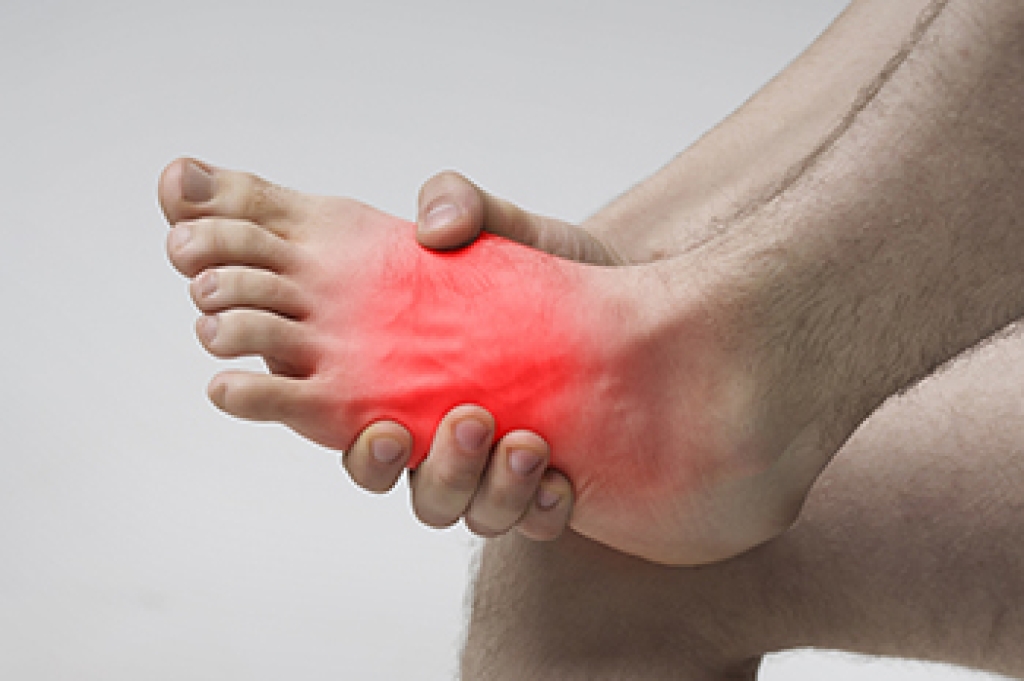
How Fibromyalgia Can Cause Foot Pain

Fibromyalgia causes long-lasting pain and increased sensitivity throughout the body. It can also affect sleep, energy, and mood. Although the condition is not caused by a foot injury, many patients report aching, burning, or stabbing pain in their feet. The toes and ankles can also feel stiff or tender. In some cases, light pressure from socks or shoes can feel unusually painful. This increased sensitivity can cause normally painless sensations to hurt. Foot pain can also make it harder to stand, walk, and complete daily tasks.

Foot pain in a patient with fibromyalgia may be caused by other conditions. Plantar fasciitis, arthritis, or nerve problems can cause similar symptoms. A podiatrist can examine the feet, review the location of the pain, and assess how the patient walks. The examination can also identify swelling, reduced joint movement, or areas that are especially sensitive to pressure. X-rays or other imaging tests can help rule out structural problems. A clear diagnosis matters because fibromyalgia-related sensitivity and a separate foot condition can be present at the same time.

A podiatrist develops a treatment plan based on the examination and the patient’s daily needs. Custom orthotics can improve foot alignment, distribute pressure more evenly, and reduce strain on painful areas. The podiatrist can also recommend shoes with proper support and enough room around sensitive toes. Padding or other protective devices can reduce rubbing against tender skin. Regular foot evaluations allow the podiatrist to track changes in pain, movement, and function. Care can also be coordinated with the doctor managing the patient’s fibromyalgia. The goal is to ease foot stress and help the patient remain as comfortable and active as possible. If you have foot pain as the result of fibromyalgia, it is suggested that you schedule an appointment with a podiatrist effective relief and management solutions.

When dealing with systemic disease of the feet, it is extremely important to check the affected areas routinely so that any additional problems are caught quickly.  If you have any concerns about your feet and ankles contact Gregory Kranzusch, DPM from Foot and Ankle Center of St. Charles County. Our doctors will assist you with all of your podiatric needs.

Systemic Diseases of the Feet

Systemic diseases affect the whole body, and symptoms usually are displayed in the feet. This condition can make a patient’s ability to walk unbearable.  Systemic diseases include gout, diabetes mellitus, neurological disorders, and arthritis.

Gout – is caused by an excess of uric acid in the body. Common symptoms include pain, inflammation, and redness at the metatarsal/phalangeal joint of the base big toe. Gout can be treated by NSAIDs to relieve pain and inflammation, and other drugs that lower the acid levels in the body.

Diabetes mellitus – is an increase in the level of blood sugar that the body cannot counteract with its own insulin. Failure to produce enough insulin is a factor in Diabetes.

Diabetes of the Feet

Diabetic Neuropathy – may lead to damaged nerves and affect the feet through numbness and loss of sensation.

Peripheral Vascular Disease – can restrict the blood flow to the feet, and often times lead to amputation of the feet. 

If you have any questions please contact our office located in St. Charles, MO . We offer the newest diagnostic and treatment technologies for all your foot and ankle needs.
Read more about Systemic Diseases of the Foot

How a Podiatrist Treats Athlete's Foot

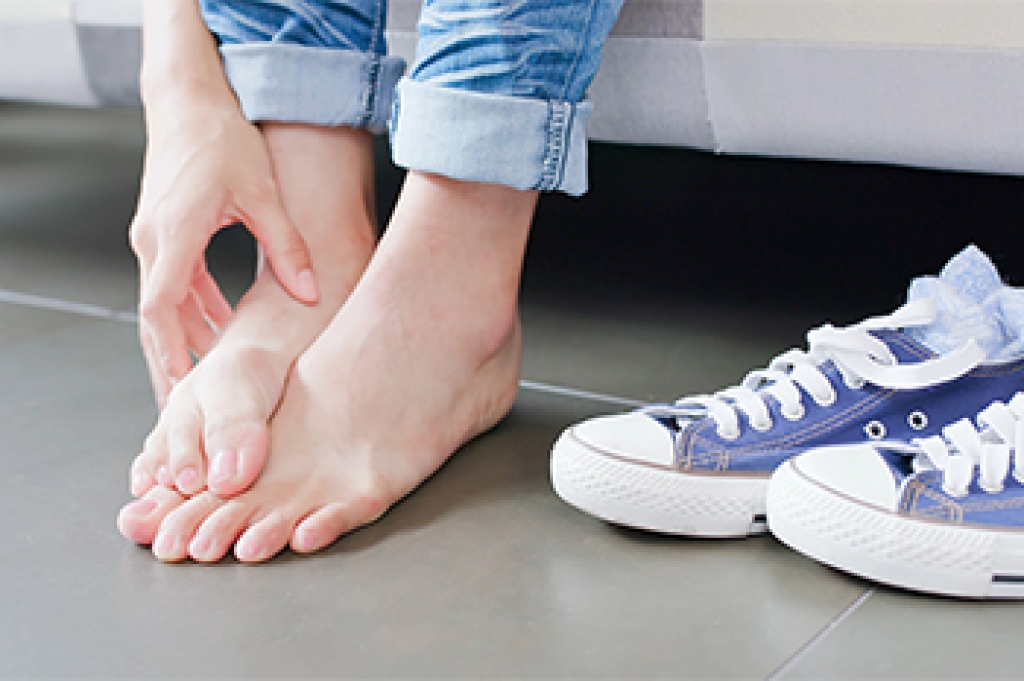
Athlete's foot is a fungal skin infection that affects the feet and can spread from one area to another when left untreated. Fungus is a tiny living organism that grows well in warm, damp places. The infection frequently begins between the toes, but it can also affect the soles, sides, or heels of the feet. Many people first notice itching, burning, or stinging that becomes more irritating while walking or wearing shoes. The skin can become red, flaky, or cracked, and painful splits in the skin can develop. Some patients also notice peeling or small blisters that make standing and walking uncomfortable. Because several skin conditions look similar, a podiatrist can determine whether athlete's foot is the true cause of the problem.

Athlete's foot spreads through direct contact with the fungus or by touching contaminated surfaces. Places like locker rooms, swimming pool decks, and public showers create conditions where the fungus can survive. The infection is also more likely to develop when people spend long periods wearing shoes that keep the feet warm and moist. Shoes that lack proper support can increase friction on the feet, which can add to discomfort when the skin is already irritated. A podiatrist performs a careful examination of the affected skin and reviews symptoms to confirm the diagnosis. In some cases, a small sample of skin is examined to identify the fungus and rule out other skin conditions.

Treatment focuses on eliminating the fungal infection and preventing it from spreading. A podiatrist can prescribe antifungal medications that target the fungus and reduce symptoms. Patients with severe infections or repeated infections sometimes require stronger prescription medication. A podiatrist also checks for skin cracks or other problems that increase the chance of complications. Prompt care can help protect healthy skin and reduce the risk of the infection spreading to the toenails or other areas of the foot. If you have symptoms of athlete's foot, it is suggested that you make an appointment with a podiatrist for diagnosis and treatment.

Athlete’s Foot

Athlete’s foot is often an uncomfortable condition to experience. Thankfully, podiatrists specialize in treating athlete’s foot and offer the best treatment options. If you have any questions about athlete’s foot, consult with Gregory Kranzusch, DPM from Foot and Ankle Center of St. Charles County. Our doctors will assess your condition and provide you with quality treatment.

What Is Athlete’s Foot?

Tinea pedis, more commonly known as athlete’s foot, is a non-serious and common fungal infection of the foot. Athlete’s foot is contagious and can be contracted by touching someone who has it or infected surfaces. The most common places contaminated by it are public showers, locker rooms, and swimming pools. Once contracted, it grows on feet that are left inside moist, dark, and warm shoes and socks.

Prevention

The most effective ways to prevent athlete’s foot include:

  • Thoroughly washing and drying feet
  • Avoid going barefoot in locker rooms and public showers
  • Using shower shoes in public showers
  • Wearing socks that allow the feet to breathe
  • Changing socks and shoes frequently if you sweat a lot

Symptoms

Athlete’s foot initially occurs as a rash between the toes. However, if left undiagnosed, it can spread to the sides and bottom of the feet, toenails, and if touched by hand, the hands themselves. Symptoms include:

  • Redness
  • Burning
  • Itching
  • Scaly and peeling skin

Diagnosis and Treatment

Diagnosis is quick and easy. Skin samples will be taken and either viewed under a microscope or sent to a lab for testing. Sometimes, a podiatrist can diagnose it based on simply looking at it. Once confirmed, treatment options include oral and topical antifungal medications.

If you have any questions, please feel free to contact our office located in St. Charles, MO . We offer the newest diagnostic and treatment technologies for all your foot care needs.

Read more about How to Deal with Athlete's Foot

How a Podiatrist Diagnoses and Treats Flat Feet

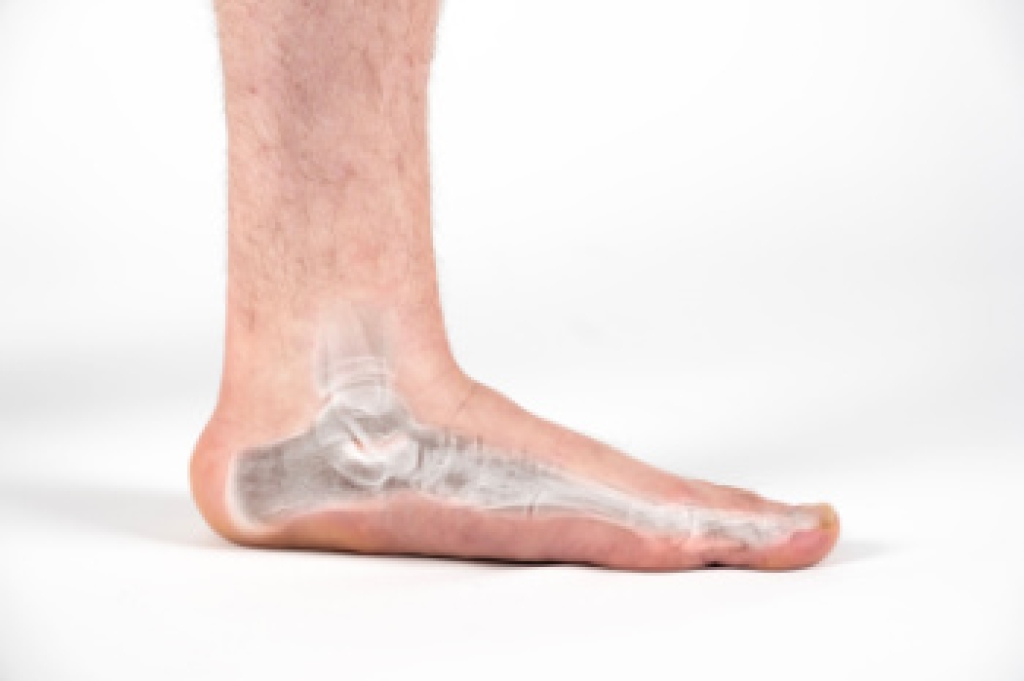
Flat feet occur when one or both feet have a low arch or no visible arch while standing. In some people, the arch never fully develops during childhood. In others, it drops later because of aging or an injury. When symptoms appear, patients can feel aching in the heel or arch, tired feet, or swelling near the ankle. Flat feet can also change how weight moves through the legs. This change can contribute to discomfort in the knees, hips, or lower back.

A podiatrist can determine whether flat feet are causing your symptoms. The visit includes a review of your health, a foot exam, and an evaluation of how you stand and walk. The podiatrist may check whether an arch appears when you rise onto your toes. X-rays can help when an injury, arthritis, or a bone problem is suspected. A wet footprint can suggest a low arch, but it cannot show why the arch is flat. Shoe wear also offers clues, though worn soles do not confirm a diagnosis. An exam is important because heel pain and tired feet can have several causes.

Treatment depends on the symptoms, foot structure, and daily activities. A podiatrist can recommend supportive shoes that fit correctly and provide enough room for the toes. Custom orthotics are prescription inserts shaped for your feet. They can improve support, balance pressure, and make standing or walking more comfortable. A podiatrist can also suggest changes to activities that place extra stress on the feet. Regular follow-up visits allow the doctor to check your comfort and adjust the treatment plan. Surgery is reserved for severe pain or a major change in foot structure that does not improve with other care. Many patients manage flat feet well with a plan designed around their needs. If you have foot problems related to flat feet, it is suggested that you schedule an appointment with a podiatrist for effective relief and management solutions.

Flatfoot is a condition many people suffer from. If you have flat feet, contact Gregory Kranzusch, DPM from Foot and Ankle Center of St. Charles County. Our doctors will treat your foot and ankle needs.

What Are Flat Feet?

Flatfoot is a condition in which the arch of the foot is depressed and the sole of the foot is almost completely in contact with the ground. About 20-30% of the population generally has flat feet because their arches never formed during growth.

Conditions & Problems:

Having flat feet makes it difficult to run or walk because of the stress placed on the ankles.

Alignment – The general alignment of your legs can be disrupted, because the ankles move inward which can cause major discomfort.

Knees – If you have complications with your knees, flat feet can be a contributor to arthritis in that area.  

Symptoms

  • Pain around the heel or arch area
  • Trouble standing on the tip toe
  • Swelling around the inside of the ankle
  • Flat look to one or both feet
  • Having your shoes feel uneven when worn

Treatment

If you are experiencing pain and stress on the foot you may weaken the posterior tibial tendon, which runs around the inside of the ankle. 

If you have any questions, please feel free to contact our office located in St. Charles, MO . We offer the newest diagnostic and treatment technologies for all your foot care needs.

Read more about Flat Feet
Advanced Podiatric Procedures & Services in the St. Charles County, MO: St. Charles, O’Fallon, St. Peters, Weldon Spring, Lake St. Louis, Dardenne Prairie, Cottleville, Wentzville, Augusta, St. Louis County, MO: Chesterfield, Ballwin, Ellisville, Wildwood, Town and Country, Bridgeton, Lincoln County, MO: Troy, Elsberry, Moscow Mills areas