
Plantar warts are small growths that develop on parts of the feet that bear weight. They're typically found on the bottom of the foot. Don't live with plantar warts, and call us today!
Plantar warts are small growths that develop on parts of the feet that bear weight. They're typically found on the bottom of the foot. Don't live with plantar warts, and call us today!
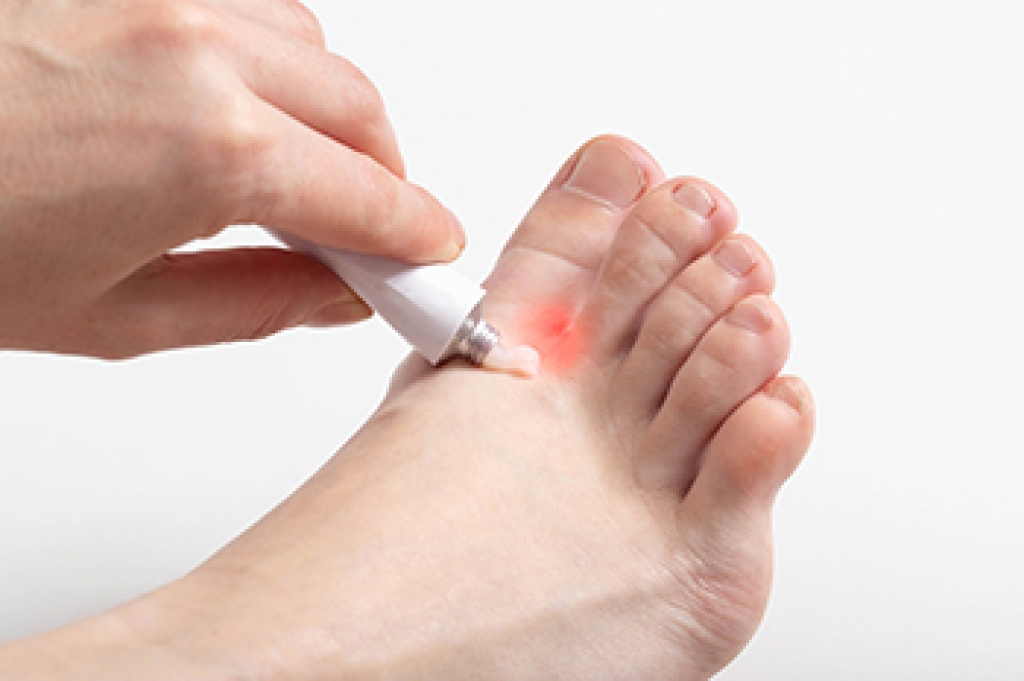
Athlete's foot is a fungal skin infection that affects the feet and spreads in damp, high traffic environments. It develops when fungi grow on the surface of the skin, especially in areas that remain warm and moist for long periods of time. Athlete's foot is extremely contagious and can spread through shared footwear, locker rooms, and public showers. Individuals with a weakened immune system or diabetes may be at a higher risk, as their bodies may have more difficulty fighting off infections.
The symptoms of athlete's foot depend on the specific type of infection. Many people experience itching, burning, and irritation that can worsen after removing shoes. Interdigital athlete's foot causes skin breakdown between the toes, often appearing white, soggy, or cracked. Plantar athlete's foot affects the bottom of the foot and causes dry, scaly skin that may extend along the sides of the foot. Additionally, acute vesicular athlete's foot is characterized by sudden blister formation, with itchy or painful fluid-filled lesions that can cause significant discomfort.
Several causes and risk factors contribute to athlete's foot. Walking barefoot in public areas such as pools and showers exposes the skin to fungi. Sharing shoes, socks, or towels increases the risk of transmission. Excessive sweating, tight footwear, and poor ventilation create an ideal environment for fungal growth. Medical conditions such as diabetes and immune system disorders can also make individuals more susceptible to infection and slow the healing process.
Prevention and treatment focus on maintaining proper foot hygiene and reducing moisture. Keeping the feet dry, wearing moisture-wicking socks, and choosing well ventilated shoes can help lower the risk. Antifungal medications are often effective, but recurring infections may require evaluation by a podiatrist. Professional care ensures proper identification of the infection type and effective treatment planning. If you have symptoms of athlete's foot, it is strongly suggested that you consult a podiatrist for effective treatment solutions, which may include prescribed medication.
Athlete’s foot is an inconvenient condition that can be easily reduced with the proper treatment. If you have any concerns about your feet and ankles, contact Gregory Kranzusch, DPM from Foot and Ankle Center of St. Charles County. Our doctors will treat your foot and ankle needs.
Athlete’s Foot: The Sole Story
Athlete's foot, also known as tinea pedis, can be an extremely contagious foot infection. It is commonly contracted in public changing areas and bathrooms, dormitory style living quarters, around locker rooms and public swimming pools, or anywhere your feet often come into contact with other people.
Solutions to Combat Athlete’s Foot
Athlete’s foot can cause many irritating symptoms such as dry and flaking skin, itching, and redness. Some more severe symptoms can include bleeding and cracked skin, intense itching and burning, and even pain when walking. In the worst cases, Athlete’s foot can cause blistering as well. Speak to your podiatrist for a better understanding of the different causes of Athlete’s foot, as well as help in determining which treatment options are best for you.
If you have any questions please feel free to contact our office located in St. Charles, MO . We offer the newest diagnostic and treatment technologies for all your foot and ankle needs.
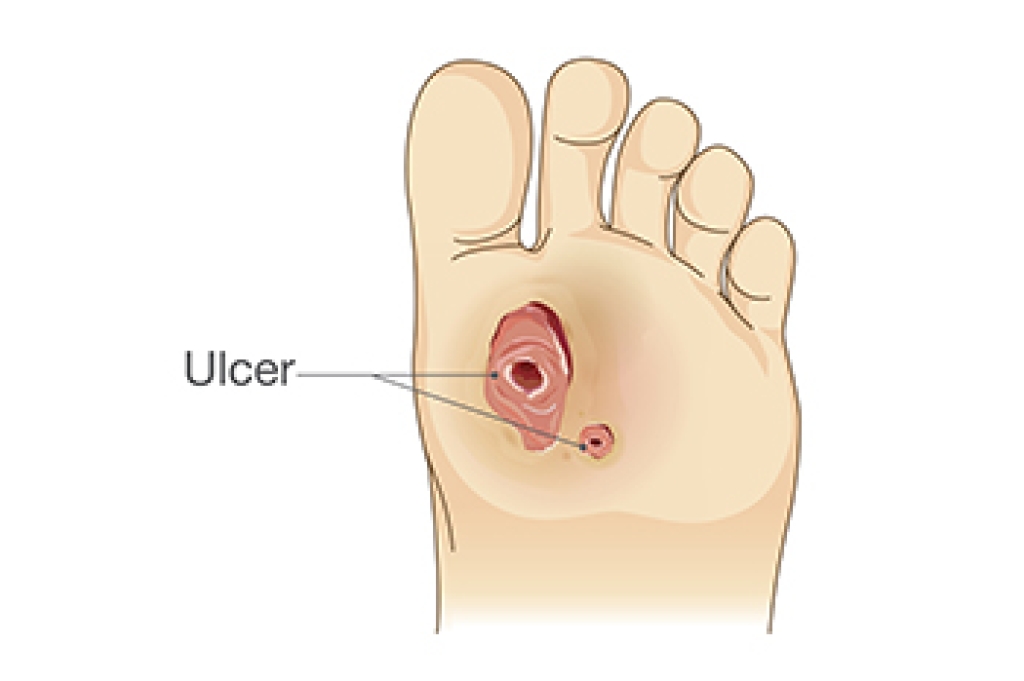
Diabetic foot ulcers are open sores or wounds that develop on the feet due to complications from diabetes. These ulcers often occur when high blood sugar levels affect circulation and nerve function, leading to reduced healing ability and loss of sensation. When a person cannot feel minor injuries, such as cuts or pressure points, these issues can worsen without notice. Diabetic foot ulcers are a serious condition that requires early attention to prevent infection and long-term complications.
Common symptoms include redness, swelling, drainage, and areas of skin breakdown that do not heal properly. Some individuals may notice warmth or a foul odor around the affected area. Risk factors include poor blood flow, nerve damage, high blood sugar levels, and wearing improper footwear. Individuals who smoke, have a history of foot injuries, or struggle with foot hygiene are at higher risk. Regular foot checks are important to identify early signs before they progress into more severe wounds.
Lifestyle plays a significant role in the development and management of diabetic foot ulcers. Sedentary behavior is not beneficial, as limited movement can reduce circulation and increase pressure on certain areas of the feet. A balanced routine that includes safe physical activity, proper footwear, and consistent blood sugar management can help reduce risk. Maintaining a healthy weight and avoiding prolonged pressure on the same areas of the foot are also important preventive measures.
The benefits of early prevention include reduced risk of infection, faster healing, and improved overall foot health. Addressing symptoms early can help avoid complications such as deep tissue damage or loss of limb. Proper care, including routine foot inspections and supportive footwear, is essential for individuals with diabetes. If you have signs of a diabetic foot ulcer, it is suggested that you are under the care of a podiatrist who can help you manage this serious condition.
Diabetic foot care is important in preventing foot ailments such as ulcers. If you are suffering from diabetes or have any other concerns about your feet, contact Gregory Kranzusch, DPM from Foot and Ankle Center of St. Charles County. Our doctors can provide the care you need to keep you pain-free and on your feet.
Diabetic Foot Care
Diabetes affects millions of people every year. The condition can damage blood vessels in many parts of the body, especially the feet. Because of this, taking care of your feet is essential if you have diabetes, and having a podiatrist help monitor your foot health is highly recommended.
The Importance of Caring for Your Feet
Patients with diabetes should have their doctor monitor their blood levels, as blood sugar levels play such a huge role in diabetic care. Monitoring these levels on a regular basis is highly advised.
It is always best to inform your healthcare professional of any concerns you may have regarding your feet, especially for diabetic patients. Early treatment and routine foot examinations are keys to maintaining proper health, especially because severe complications can arise if proper treatment is not applied.
If you have any questions, please feel free to contact our office located in St. Charles, MO . We offer the newest diagnostic and treatment technologies for all your foot care needs.

Big toe pain can interfere with walking, balance, and daily activities. The big toe joint, also known as the first metatarsophalangeal joint, plays a major role in movement because body weight is transferred through this area with each step. This constant pressure makes the joint more vulnerable to strain and injury. Once damaged, the big toe can take a long time to heal due to its frequent use and limited ability to rest during normal activity.
Symptoms of big toe pain may include stiffness, swelling, and tenderness surrounding the joint. Some individuals experience sharp pain during movement, while others notice a dull ache that worsens with walking or standing. Reduced range of motion can make it difficult to bend the toe, and in some cases, visible deformities may develop. Pain may be mild at first, but can progress if the underlying cause is not addressed. Early attention to symptoms can help prevent long term complications.
There are several common causes of big toe pain. Arthritis can lead to joint inflammation and cartilage breakdown, resulting in stiffness and discomfort. Bunions, which are bony bumps that form at the base of the big toe, can shift the joint out of alignment and create pressure. Ingrown toenails can also cause localized pain, especially when the nail grows into the surrounding skin. Injuries, repetitive stress, and wearing improper footwear may further contribute to irritation in this area.
Risk factors for big toe pain include aging, excess body weight, and activities that place repeated stress on the foot. Wearing tight or ill-fitting shoes can increase pressure on the joint and worsen symptoms. Certain foot structures, such as flat feet or high arches, may also affect how weight is distributed. Managing these factors can support joint health and reduce discomfort. If you have big toe pain, it is suggested that you consult a podiatrist for an accurate diagnosis and appropriate treatment.
Toe pain can disrupt your daily activities. If you have any concerns, contact Gregory Kranzusch, DPM of Foot and Ankle Center of St. Charles County. Our doctors can provide the care you need to keep you pain-free and on your feet.
What Causes Toe Pain?
Most severe toe pain is caused due to a sports injury, trauma from dropping something heavy on the toe, or bumping into something rigid. Other problems can develop over time for various reasons.
Toe pain can be caused by one or more ailments. The most common include:
When to See a Podiatrist
Diagnosis
In many cases the cause of toe pain is obvious, but in others, a podiatrist may want to use more advanced methods to determine the problem. These can range from simple visual inspections and sensation tests to X-rays and MRI scans. Prior medical history, family medical history, and any recent physical traumatic events will all be taken into consideration for a proper diagnosis.
Treatment
Treatments for toe pain and injuries vary and may include shoe inserts, padding, taping, medicines, injections, and in some cases, surgery. If you believe that you have broken a toe, please see a podiatrist as soon as possible.
If you have any questions please contact our office located in St. Charles, MO . We offer the newest diagnostic and treatment technologies for all your foot and ankle needs.
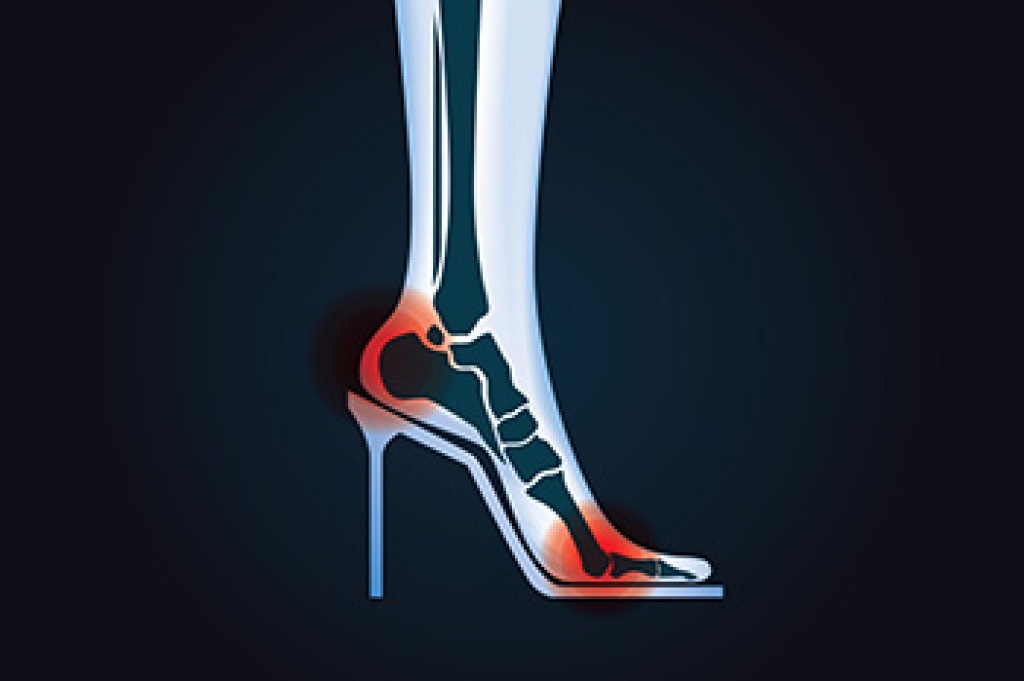
Foot pain fromwearing high heels is a common issue that develops due to unnatural positioning of the foot and ankle. High heels force the ankle to bend forward, shifting body weight onto the front of the foot. This altered alignment increases pressure on the toes, forefoot, and joints. Over time, this repeated stress can lead to discomfort and structural changes. Understanding how high heels affect foot mechanics is important for preventing long term damage and maintaining overall foot health.
Symptoms often begin with soreness in the ball of the foot and may progress to sharp or burning pain. Many individuals experience swelling, redness, or tenderness after prolonged wear. The forward shift of weight can also cause toe crowding, which may lead to conditions such as bunions or hammertoes. Some people report ankle instability or fatigue due to the constant strain placed on the lower leg muscles. These symptoms can worsen with frequent or extended use of high heeled shoes.
Several risk factors increase the likelihood of foot pain when wearing high heels. Individuals who wear high heels daily or for long periods are at greater risk of developing chronic discomfort. Poor foot structure, such as flat feet or high arches, can further increase strain. The primary cause of pain is the uneven distribution of body weight and the forced forward-bending of the ankle, which places stress on joints and soft tissues.
Reducing foot pain involves making thoughtful footwear choices and limiting high heel use. Selecting shoes with lower heels, a wider toe box, and added cushioning can help reduce pressure. Alternating footwear and allowing time for recovery can also support foot health. Stretching and strengthening exercises may improve flexibility and stability. If you frequently wear high heels and have developed foot pain, it is suggested that you consult a podiatrist for effective relief tips.
High heels have a history of causing foot and ankle problems. If you have any concerns about your feet or ankles, contact Gregory Kranzusch, DPM from Foot and Ankle Center of St. Charles County. Our doctors can provide the care you need to keep you pain-free and on your feet.
Effects of High Heels on the Feet
High heels are popular shoes among women because of their many styles and societal appeal. Despite this, high heels can still cause many health problems if worn too frequently.
Which Parts of My Body Will Be Affected by High Heels?
What Kinds of Foot Problems Can Develop from Wearing High Heels?
How Can I Still Wear High Heels and Maintain Foot Health?
If you want to wear high heeled shoes, make sure that you are not wearing them every day, as this will help prevent long term physical problems. Try wearing thicker heels as opposed to stilettos to distribute weight more evenly across the feet. Always make sure you are wearing the proper shoes for the right occasion, such as sneakers for exercising. If you walk to work, try carrying your heels with you and changing into them once you arrive at work. Adding inserts to your heels can help cushion your feet and absorb shock. Full foot inserts or metatarsal pads are available.
If you have any questions, please feel free to contact our office located in St. Charles, MO . We offer the newest diagnostic and treatment technologies for all your foot care needs.
