Foot Complications After Falling Down Steps

Falling down steps is a sudden traumatic event that can cause significant injury to the foot and ankle due to the high impact forces involved. This type of fall often occurs when a person missteps, loses balance, or fails to see a step clearly. The foot may twist, roll, or absorb direct impact, leading to damage in bones, ligaments, or soft tissues. Because stairs create uneven elevation changes, even a small miscalculation can result in injury.

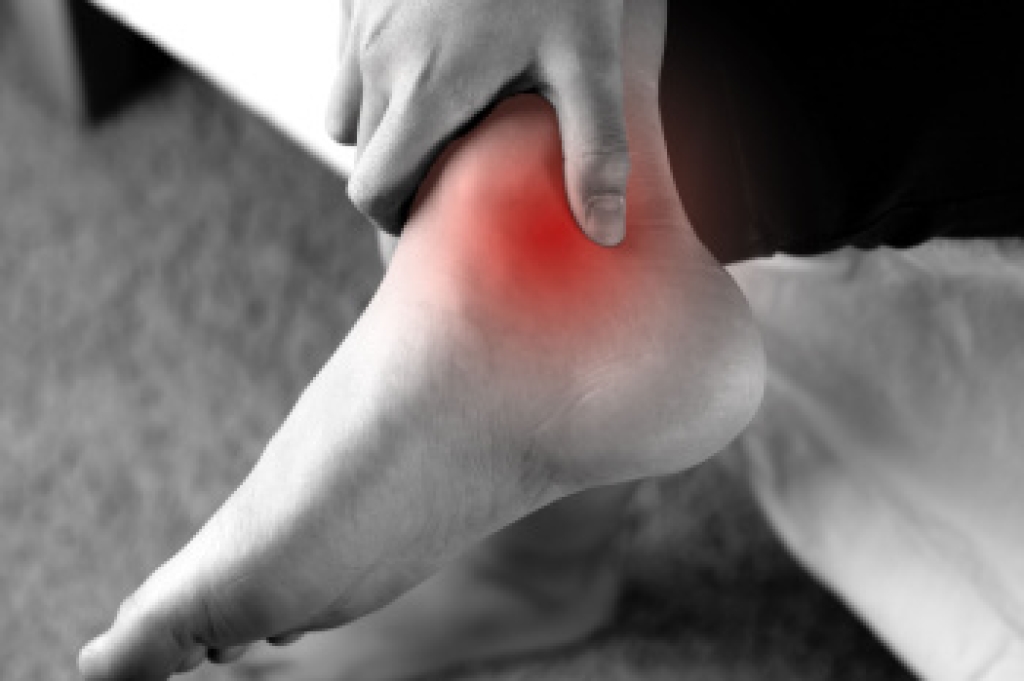
Symptoms following a fall down steps vary depending on severity but often include sharp pain, swelling, bruising, and difficulty walking. Some individuals may notice instability in the ankle or an inability to bear weight. More serious injuries may present with deformity, grinding sensations, or persistent pain that worsens over time. Soft tissue injuries such as sprains or tendon strains are common, but fractures of the toes, heel, or ankle bones may also occur.


Risk factors for falling down steps include environmental hazards such as poorly maintained stairs, cluttered walkways, and inadequate lighting. Personal factors such as wearing improper footwear, rushing, or carrying heavy objects can also increase risk. Medical conditions that affect balance, coordination, or sensation in the feet further contribute to the likelihood of a fall. Reduced muscle strength or previous injuries may also make individuals more vulnerable to losing stability on stairs.


Foot conditions caused by falling down steps can range from mild to severe. Common injuries include ankle sprains, plantar fascia strain, metatarsal fractures, and ligament damage. In some cases, repeated instability may develop if injuries are not fully treated. Proper evaluation is important to prevent long term complications such as chronic pain or reduced mobility. If you have sustained a foot or ankle injury from falling down steps, it is suggested you consult a podiatrist for an accurate diagnosis and appropriate treatment.

Preventing falls among the elderly is very important. If you are older and have fallen or fear that you are prone to falling, consult with Gregory Kranzusch, DPM from Foot and Ankle Center of St. Charles County. Our doctors will assess your condition and provide you with quality advice and care.

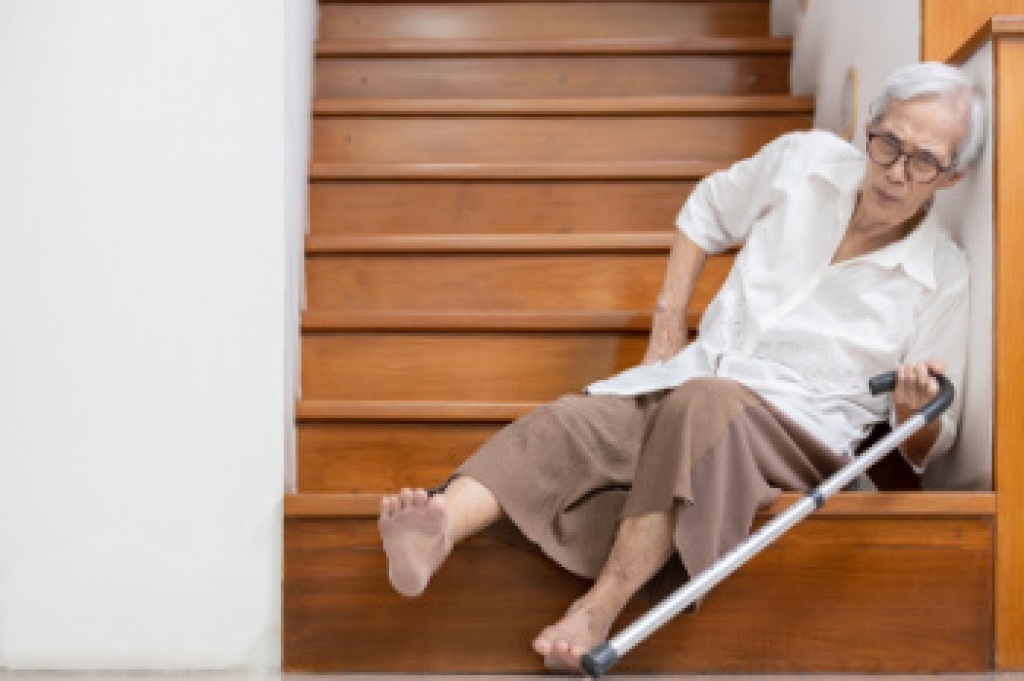
Every 11 seconds, an elderly American is being treated in an emergency room for a fall related injury. Falls are the leading cause of head and hip injuries for those 65 and older. Due to decreases in strength, balance, senses, and lack of awareness, elderly persons are very susceptible to falling. Thankfully, there are a number of things older persons can do to prevent falls.

How to Prevent Falls

Some effective methods that older persons can do to prevent falls include:

  • Enrolling in strength and balance exercise program to increase balance and strength
  • Periodically having your sight and hearing checked
  • Discuss any medications you have with a doctor to see if it increases the risk of falling
  • Clearing the house of falling hazards and installing devices like grab bars and railings
  • Utilizing a walker or cane
  • Wearing shoes that provide good support and cushioning
  • Talking to family members about falling and increasing awareness

Falling can be a traumatic and embarrassing experience for elderly persons; this can make them less willing to leave the house, and less willing to talk to someone about their fears of falling. Doing such things, however, will increase the likelihood of tripping or losing one’s balance. Knowing the causes of falling and how to prevent them is the best way to mitigate the risk of serious injury.  

If you have any questions, please feel free to contact our office located in St. Charles, MO . We offer the newest diagnostic and treatment technologies for all your foot care needs.

Read more about Falls Prevention

Maintaining Foot Function and Flexibility

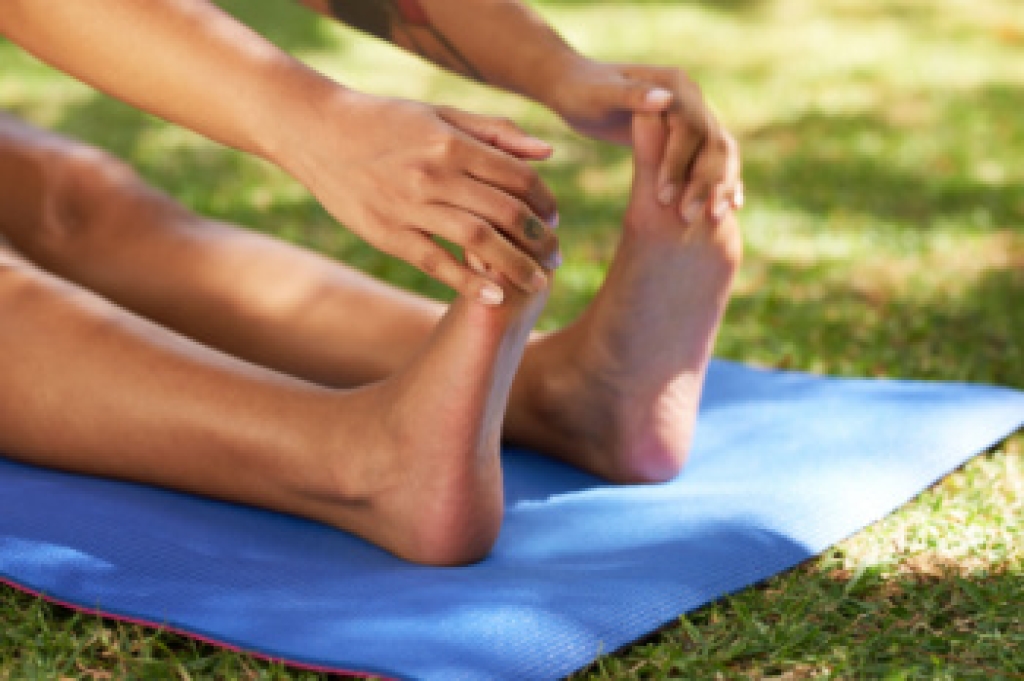
Stretching plays an important role in maintaining flexibility, mobility, and overall foot health. The feet contain numerous muscles, tendons, and ligaments that work together to support movement and balance. These structures are placed under constant stress when walking, running, and standing throughout the day. When the muscles and soft tissues of the feet become tight, individuals may experience discomfort, stiffness, or reduced mobility. Foot flexibility is especially important for maintaining proper movement patterns and reducing strain on other areas of the lower body. Healthy foot function can contribute to better comfort and improved performance during everyday activities.


Limited flexibility in the feet can affect more than just the foot itself. Tight muscles and restricted movement may contribute to conditions like heel pain, arch discomfort, and reduced ankle mobility. These issues can influence walking mechanics and place additional stress on the ankles, knees, and legs. Athletes, active individuals, and people who spend long hours on their feet may be more likely to experience foot tightness and related discomfort. Paying attention to foot mobility is an important part of maintaining healthy movement and supporting overall musculoskeletal function. Early evaluation can help identify underlying issues that may be contributing to ongoing foot pain or stiffness.


Podiatric care can help address foot problems that affect flexibility and mobility. A podiatrist can evaluate foot structure, gait, and joint function to determine whether underlying conditions are contributing to discomfort or restricted movement. A professional assessment may identify issues involving the muscles, tendons, or joints that require specialized care. By addressing the source of foot pain and mobility limitations, a podiatrist can help improve function and support long-term foot health. Maintaining proper foot movement is important for staying active and comfortable throughout daily life. If you are experiencing foot stiffness, reduced mobility, or foot pain, it is suggested that you consult a podiatrist for an evaluation and appropriate treatment options.

Everyday foot care is very important to prevent infection and other foot ailments. If you need your feet checked, contact Gregory Kranzusch, DPM from Foot and Ankle Center of St. Charles County. Our doctors can provide the care you need to keep you pain-free and on your feet.

Everyday Foot Care

Often, people take care of their bodies, face and hair more so than they do for their feet. But the feet are a very important aspect of our bodies, and one that we should pay more attention to. Without our feet, we would not be able to perform most daily tasks.

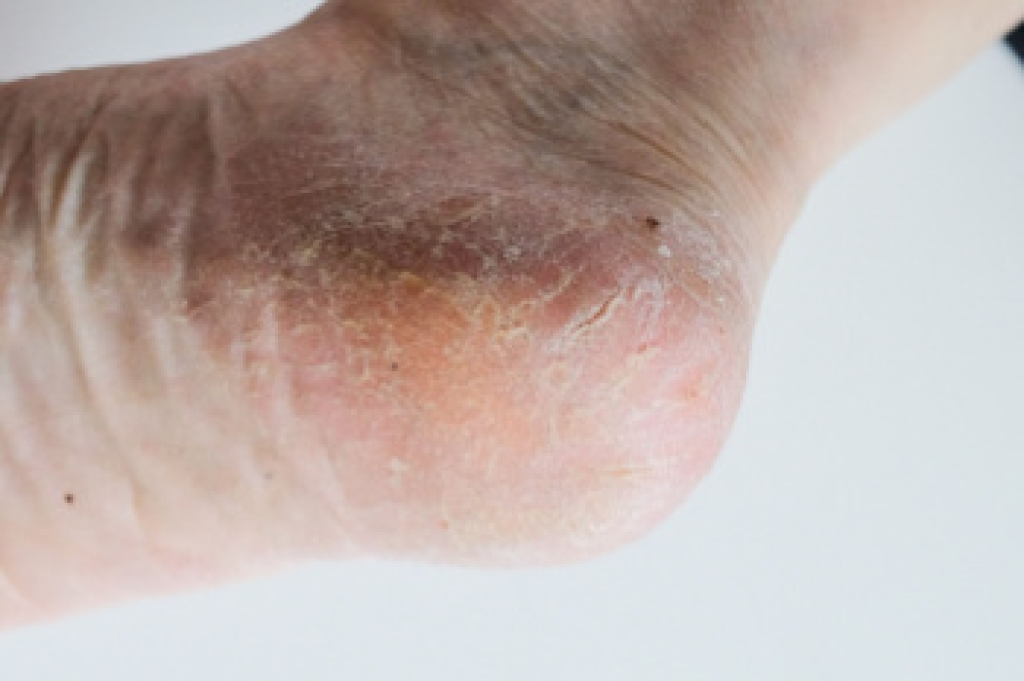
It is best to check your feet regularly to make sure there are no new bruises or cuts that you may not have noticed before. For dry feet, moisturizer can easily be a remedy and can be applied as often as necessary to the affected areas. Wearing shoes that fit well can also help you maintain good foot health, as well as making it easier to walk and do daily activities without the stress or pain of ill-fitting shoes, high heels, or even flip flops. Wearing clean socks with closed shoes is important to ensure that sweat and bacteria do not accumulate within the shoe. Clean socks help to prevent Athlete’s foot, fungi problems, bad odors, and can absorb sweat.

If you have any questions, please feel free to contact our office located in St. Charles, MO . We offer the newest diagnostic and treatment technologies for all your foot care needs.
Read more about Every Day Foot Care
Advanced Podiatric Procedures & Services in the St. Charles County, MO: St. Charles, O’Fallon, St. Peters, Weldon Spring, Lake St. Louis, Dardenne Prairie, Cottleville, Wentzville, Augusta, St. Louis County, MO: Chesterfield, Ballwin, Ellisville, Wildwood, Town and Country, Bridgeton, Lincoln County, MO: Troy, Elsberry, Moscow Mills areas