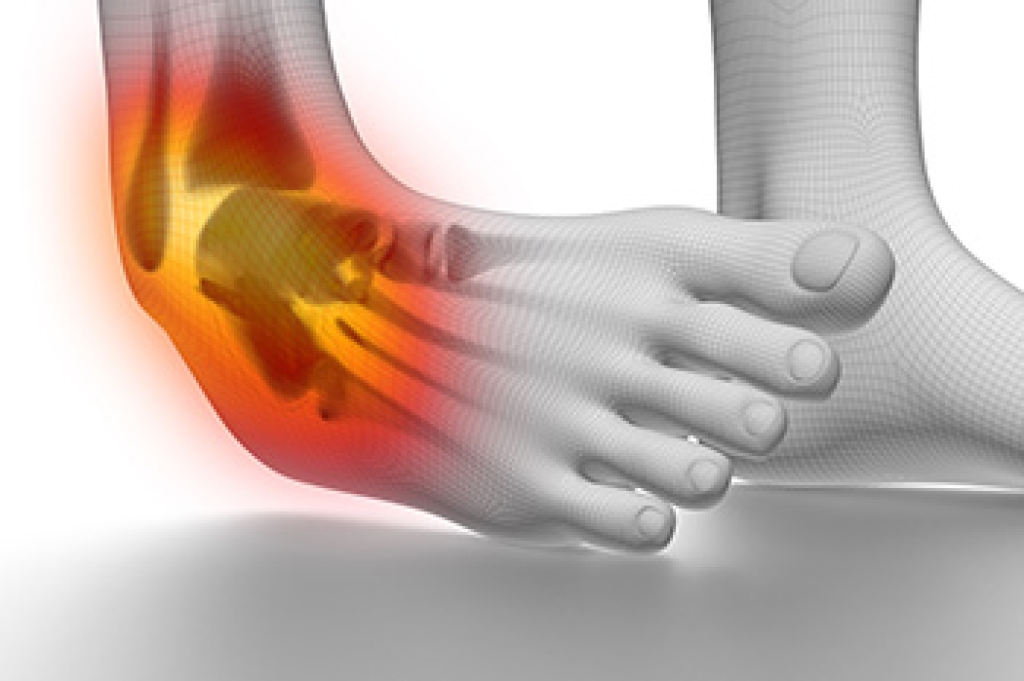
Understanding Ankle Sprains and Recovery

An ankle sprain happens when the strong bands of tissue that support the ankle are stretched or torn. These bands, called ligaments, help keep the joint stable while walking, running and changing direction. A sprain can occur when the foot twists suddenly, rolls inward or lands awkwardly after a step or jump. Pain is usually felt around the ankle and can appear right away. Swelling and bruising can develop within hours. Some patients also notice tenderness or difficulty putting weight on the foot. The severity of an ankle sprain ranges from a mild stretch of the ligaments to a more serious tear that affects ankle stability.

Symptoms can vary depending on how much damage occurred. Many people experience pain when walking and discomfort when moving the ankle from side to side. Swelling can make shoes feel tight and uncomfortable. Bruising may spread across the ankle or foot as the injury develops. Some patients may hear or feel a popping sensation at the moment of injury. A severe sprain can make standing difficult and may create a feeling that the ankle is weak or likely to give way. Because fractures and other injuries can cause similar symptoms, a proper evaluation is important to determine the exact cause of ankle pain.

A podiatrist can examine the ankle, assess its stability, and determine the extent of the injury. Diagnosis includes a physical examination and, when appropriate, imaging tests like X-rays or advanced scans. Treatment is designed to reduce pain, support healing and restore normal movement. A podiatrist may recommend bracing, targeted exercises or other therapies that help improve strength and balance. Early care can also lower the risk of ongoing instability and repeated sprains. If you have symptoms of an ankle sprain, it is suggested that you schedule an appointment with a podiatrist who can accurately diagnose and treat ankle sprains.

Ankle sprains are common but need immediate attention. If you need your feet checked, contact Gregory Kranzusch, DPM from Foot and Ankle Center of St. Charles County. Our doctors can provide the care you need to keep you pain-free and on your feet.

How Does an Ankle Sprain Occur?

Ankle sprains take place when the ligaments in your ankle are torn or stretched beyond their limits. There are multiple ways that the ankle can become injured, including twisting or rolling over onto your ankle, putting undue stress on it, or causing trauma to the ankle itself.

What Are the Symptoms?

  • Mild to moderate bruising
  • Limited mobility
  • Swelling
  • Discoloration of the skin (depending on severity)

Preventing a Sprain

  • Wearing appropriate shoes for the occasion
  • Stretching before exercises and sports
  • Knowing your limits

Treatment of a Sprain

Treatment of a sprain depends on the severity.  Many times, people are told to rest and remain off their feet completely, while others are given an air cast. If the sprain is very severe, surgery may be required.

If you have suffered an ankle sprain previously, you may want to consider additional support such as a brace and regular exercises to strengthen the ankle.

If you have any questions please feel free to contact our office located in St. Charles, MO . We offer the newest diagnostic tools and technology to treat your foot and ankle needs.


Read more about Three Grades of Ankle Sprains

How Achilles Tendon Problems Progress

Achilles tendinopathy is a condition affecting the strong tendon that connects the calf muscles to the heel. Early changes often involve irritation from sudden increases in activity or repeated strain, causing pain, stiffness, and tenderness, especially after movement. If stress continues, the tendon may begin to lose its normal structure, making healing less efficient and symptoms more persistent. Over time, long-standing damage can develop, with thickening, weakness, and ongoing discomfort that may limit walking, exercise, or daily activity. At this stage, the tendon is more vulnerable to serious injury. Because symptoms can worsen gradually, many people delay treatment until the condition becomes harder to manage. A podiatrist can evaluate tendon function, identify contributing movement patterns, and recommend treatment based on how advanced the condition has become. If you have recurring pain or stiffness near the back of the heel, it is strongly suggested that you visit a podiatrist for an evaluation.

Achilles tendon injuries need immediate attention to avoid future complications. If you have any concerns, contact Gregory Kranzusch, DPM of Foot and Ankle Center of St. Charles County. Our doctors can provide the care you need to keep you pain-free and on your feet.

What Is the Achilles Tendon?

The Achilles tendon is a tendon that connects the lower leg muscles and calf to the heel of the foot. It is the strongest tendon in the human body and is essential for making movement possible. Because this tendon is such an integral part of the body, any injuries to it can create immense difficulties and should immediately be presented to a doctor.

What Are the Symptoms of an Achilles Tendon Injury?

There are various types of injuries that can affect the Achilles tendon. The two most common injuries are Achilles tendinitis and ruptures of the tendon.

Achilles Tendinitis Symptoms

  • Inflammation
  • Dull to severe pain
  • Increased blood flow to the tendon
  • Thickening of the tendon

Rupture Symptoms

  • Extreme pain and swelling in the foot
  • Total immobility

Treatment and Prevention

Achilles tendon injuries are diagnosed by a thorough physical evaluation, which can include an MRI. Treatment involves rest, physical therapy, and in some cases, surgery. However, various preventative measures can be taken to avoid these injuries, such as:

  • Thorough stretching of the tendon before and after exercise
  • Strengthening exercises like calf raises, squats, leg curls, leg extensions, leg raises, lunges, and leg presses

If you have any questions please feel free to contact our office located in St. Charles, MO . We offer the newest diagnostic tools and technology to treat your foot and ankle needs.

Read more about The Causes, Types, and Treatments of Achilles Tendon Injuries

Gout Pain Can Be Managed

Gout is a painful, inflammatory form of arthritis. Those affected will typically feel an intense stiffness in the joints of their feet, particularly in the big toe. Schedule a visit to learn about how gout can be managed and treated.

Running With Plantar Fasciitis

Running with plantar fasciitis can be difficult because it puts stress on the bottom of the foot. The plantar fascia is a strong band of tissue that supports the arch and absorbs impact during movement. When this tissue becomes irritated, runners may feel sharp heel pain or soreness along the foot. Continuing to run without proper precautions can increase strain and delay healing. A podiatrist can examine foot structure, walking patterns, and running form to find the source of stress. Imaging may be used to confirm the condition and rule out other problems. Suggestions for running with plantar fasciitis include custom orthotics, better footwear support, and a plan to improve strength and flexibility in the foot and ankle. If you are a runner with symptoms of plantar fasciitis, it is suggested that you schedule an appointment with a podiatrist for a diagnosis and a safe activity plan.

Plantar fasciitis can be very painful and inconvenient. If you are experiencing heel pain or symptoms of plantar fasciitis, contact Gregory Kranzusch, DPM  from Foot and Ankle Center of St. Charles County. Our doctors can provide the care you need to keep you pain-free and on your feet.

What Is Plantar Fasciitis?

Plantar fasciitis is the inflammation of the thick band of tissue that runs along the bottom of your foot, known as the plantar fascia, and causes mild to severe heel pain.

What Causes Plantar Fasciitis?

  • Excessive running
  • Non-supportive shoes
  • Overpronation
  • Repeated stretching and tearing of the plantar fascia

How Can It Be Treated?

  • Conservative measures – anti-inflammatories, ice packs, stretching exercises, physical therapy, orthotic devices
  • Shockwave therapy – sound waves are sent to the affected area to facilitate healing and are usually used for chronic cases of plantar fasciitis
  • Surgery – usually only used as a last resort when all else fails. The plantar fascia can be surgically detached from the heel

While very treatable, plantar fasciitis is definitely not something that should be ignored. Especially in severe cases, speaking to your doctor right away is highly recommended to avoid complications and severe heel pain. Your podiatrist can work with you to provide the appropriate treatment options tailored to your condition.

If you have any questions, please feel free to contact our office located in St. Charles, MO . We offer the newest diagnostic and treatment technologies for all your foot care needs.

Read more about Plantar Fasciitis

Causes of Foot Pain From Cycling

Cycling can put repeated pressure on the feet, especially during long rides or when equipment does not fit properly. One common cause of foot pain from cycling is wearing tight shoes that squeeze the toes and reduce circulation. Thick socks or poorly fitted shoe inserts can also create extra pressure inside the shoe. Another cause is poor cleat placement on the pedals. Cleats placed too far forward can increase pressure on the ball of the foot. This can force the small foot muscles to work harder while pedaling. Some cyclists also develop pain along the outer side of the foot near the little toe. This may be the result of the natural shape and position of the forefoot. Symptoms include soreness, burning, or tingling sensations after riding. A podiatrist can examine foot structure, evaluate cycling mechanics, and prescribe custom orthotics designed for cycling. If you have foot pain after cycling, it is suggested that you schedule an appointment with a podiatrist for effective relief and treatment solutions.

Ankle and foot injuries are common among athletes and in many sports. They can be caused by several problems and may be potentially serious. If you are feeling pain or think you were injured in a sporting event or when exercising, consult with Gregory Kranzusch, DPM from Foot and Ankle Center of St. Charles County. Our doctors will assess your condition and provide you with quality foot and ankle treatment.

Common Injuries

The most common injuries that occur in sporting activities include:

  • Achilles Tendonitis
  • Achilles Tendon Rupture
  • Ankle Sprains
  • Broken Foot
  • Plantar Fasciitis
  • Stress Fractures
  • Turf Toe

Symptoms

Symptoms vary depending upon the injury and in some cases, there may be no symptoms at all. However, in most cases, some form of symptom is experienced. Pain, aching, burning, bruising, tenderness, tightness or stiffness, sensation loss, difficulty moving, and swelling are the most common symptoms.

Treatment

Just as symptoms vary depending upon the injury, so do treatment options. A common treatment method is known as the RICE method. This method involves rest, applying ice, compression and elevating the afflicted foot or ankle. If the injury appears to be more serious, surgery might be required, such as arthroscopic or reconstructive surgery. Lastly, rehabilitation or therapy might be needed to gain full functionality in the afflicted area. Any discomfort experienced by an athlete must be evaluated by a licensed, reputable medical professional.  

If you have any questions please contact our office located in St. Charles, MO . We offer the newest diagnostic and treatment technologies for all your foot and ankle needs.

Read more about Sports Related Foot and Ankle Injuries
Advanced Podiatric Procedures & Services in the St. Charles County, MO: St. Charles, O’Fallon, St. Peters, Weldon Spring, Lake St. Louis, Dardenne Prairie, Cottleville, Wentzville, Augusta, St. Louis County, MO: Chesterfield, Ballwin, Ellisville, Wildwood, Town and Country, Bridgeton, Lincoln County, MO: Troy, Elsberry, Moscow Mills areas