Understanding Bunions From Cause to Care

Bunions develop when the big toe shifts out of alignment, creating a visible bump at the base of the toe, and often leading to discomfort. This change can be influenced by foot structure, inherited traits, footwear choices, and the way pressure is placed on the foot over time. As the joint moves, surrounding tissues can become irritated, making walking and wearing shoes more difficult. A thorough evaluation looks beyond the bump itself to understand what is driving the change, including how the foot functions during movement. Care is tailored to each individual and may include shoe modifications, padding, custom orthotics, or exercises to improve support and reduce strain. When conservative measures are no longer effective, surgical correction may be considered to realign the joint and relieve pain. If a bunion is causing discomfort or limiting activity, it is suggested that you see a podiatrist for a proper diagnosis and appropriate treatment.

If you are suffering from bunions, contact Gregory Kranzusch, DPM of Foot and Ankle Center of St. Charles County. Our doctors can provide the care you need to keep you pain-free and on your feet.

What Is a Bunion?

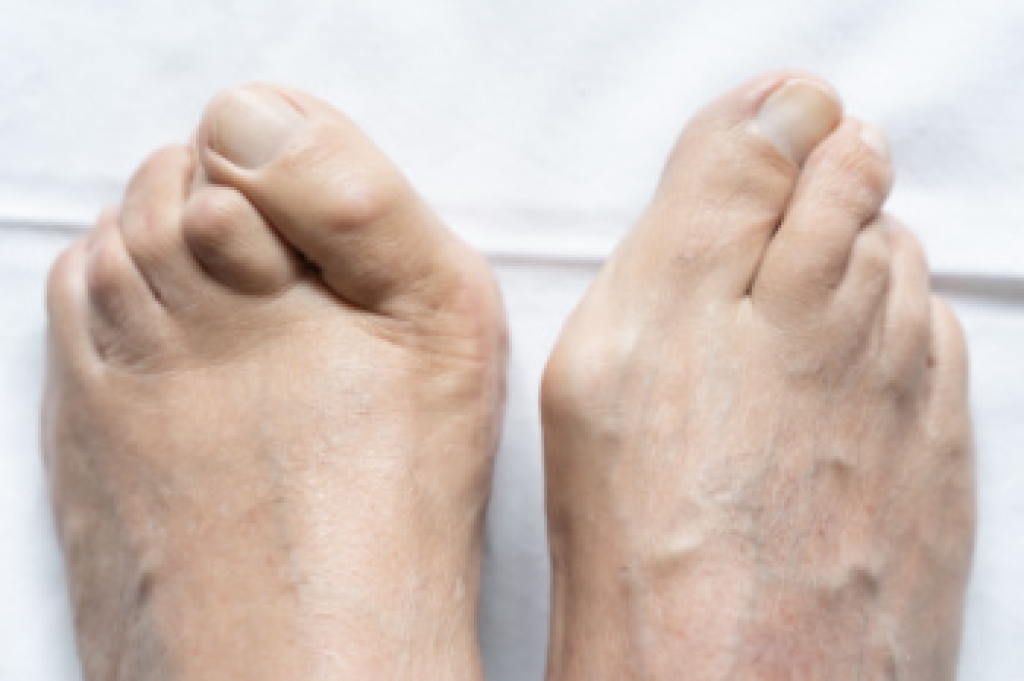
A bunion is formed of swollen tissue or an enlargement of boney growth, usually located at the base joint of the toe that connects to the foot. The swelling occurs due to the bones in the big toe shifting inward, which impacts the other toes of the foot. This causes the area around the base of the big toe to become inflamed and painful.

Why Do Bunions Form?

Genetics – Susceptibility to bunions are often hereditary

Stress on the feet – Poorly fitted and uncomfortable footwear that places stress on feet, such as heels, can worsen existing bunions

How Are Bunions Diagnosed?

Podiatrists often perform two tests – blood tests and x-rays – when trying to diagnose bunions, especially in the early stages of development. Blood tests help determine if the foot pain is being caused by something else, such as arthritis, while x-rays provide a clear picture of your bone structure to your provider.

How Are Bunions Treated?

  • Refrain from wearing heels or similar shoes that cause discomfort
  • Select wider shoes that can provide more comfort and reduce pain
  • Anti-inflammatory and pain management drugs
  • Orthotics or foot inserts
  • Surgery

If you have any questions, please feel free to contact our office located in St. Charles, MO . We offer the newest diagnostic and treatment technologies for all your foot care needs.
Read more about Bunions

Do You Suffer From Painful Feet?

Painful deformities, such as hammertoes, can be treated. Stop living with foot pain, and have beautiful feet again!

How Psoriatic Arthritis Affects the Feet

Psoriatic arthritis is a long-term inflammatory condition that can affect the joints, skin, and nails of the feet. Many people experience swelling and pain in the toes, sometimes causing an entire toe to appear enlarged or sausage-shaped. This symptom indicates widespread inflammation within a toe joint and surrounding tissues. Stiffness in the feet and ankles may be worse in the morning or after periods of rest, making walking uncomfortable. Some people develop flattening of the arches or changes in toe position. This can increase pressure on certain areas and lead to corns or calluses. Heel pain may also occur when the inflammation affects the tissue that supports the arch. Nail changes, such as thickening, crumbling, or small dents, also can be early signs. A podiatrist can assess joint swelling, foot structure, and skin or nail problems, and may use imaging tests or recommend supportive footwear or custom orthotics. If you have symptoms of psoriatic arthritis, it is suggested that you make an appointment with a podiatrist.

Arthritis can be a difficult condition to live with. If you are seeking treatment, contact Gregory Kranzusch, DPM from Foot and Ankle Center of St. Charles County. Our doctors can provide the care you need to keep you pain-free and on your feet.

Arthritic Foot Care  

Arthritis is a joint disorder that involves the inflammation of different joints in your body, such as those in your feet. Arthritis is often caused by a degenerative joint disease and causes mild to severe pain in all affected areas. In addition to this, swelling and stiffness in the affected joints can also be a common symptom of arthritis.

In many cases, wearing ill-fitting shoes can worsen the effects and pain of arthritis. Wearing shoes that have a lower heel and extra room can help your feet feel more comfortable. In cases of rheumatoid arthritis, the arch in your foot may become problematic. Buying shoes with proper arch support that contour to your feet can help immensely.

Alleviating Arthritic Pain

  • Exercises that stretch the foot can prevent further pain and injury and increase mobility
  • Most of the pain can be alleviated with anti-inflammatory drugs, heat, and topical medications
  • Massages can help temporarily alleviate pain.

It is best to see your doctor for the treatment that is right for your needs and symptoms. Conditions vary, and a podiatrist can help you determine the right method of care for your feet.

If you have any questions please feel free to contact our office located in St. Charles, MO . We offer the newest diagnostic tools and technology to treat your foot and ankle needs.

Read more about Arthritic Foot Care
Advanced Podiatric Procedures & Services in the St. Charles County, MO: St. Charles, O’Fallon, St. Peters, Weldon Spring, Lake St. Louis, Dardenne Prairie, Cottleville, Wentzville, Augusta, St. Louis County, MO: Chesterfield, Ballwin, Ellisville, Wildwood, Town and Country, Bridgeton, Lincoln County, MO: Troy, Elsberry, Moscow Mills areas