
Foot Alignment Link to Ingrown Toenails

Recent studies suggest that foot alignment may influence the development of ingrown toenails. An ingrown toenail occurs when the nail edge presses into nearby skin, causing pain, swelling, and infection. Studies suggest that people with a lower foot arch, flat feet, may face a higher risk. A reduced arch can shift pressure toward the front of the foot and the big toe, increasing irritation along the nail border. In some people, the tip of the big toe bone may angle outward, which can lead to ingrown nails along the outer side. A podiatrist can evaluate foot structure by examination and imaging. Treatment may involve correcting nail growth patterns, easing pressure on the toe, and addressing alignment problems to reduce repeat episodes. If you have pain from an ingrown toenail, it is suggested that you make an appointment with a podiatrist for an exam, diagnosis, and treatment.

Ingrown toenails may initially present themselves as a minor discomfort, but they may progress into an infection in the skin without proper treatment. For more information about ingrown toenails, contact Gregory Kranzusch, DPM of Foot and Ankle Center of St. Charles County. Our doctors can provide the care you need to keep you pain-free and on your feet.

Ingrown Toenails

Ingrown toenails are caused when the corner or side of a toenail grows into the soft flesh surrounding it. They often result in redness, swelling, pain, and in some cases, infection. This condition typically affects the big toe and may recur if it is not treated properly.

Causes

  • Improper toenail trimming
  • Genetics
  • Improper shoe fitting
  • Injury from pedicures or nail picking
  • Abnormal gait
  • Poor hygiene

You are more likely to develop an ingrown toenail if you are obese, have diabetes, arthritis, or have any fungal infection in your nails. Additionally, people who have foot or toe deformities are at a higher risk of developing an ingrown toenail.

Symptoms

Some symptoms of ingrown toenails are redness, swelling, and pain. In rare cases, there may be a yellowish drainage coming from the nail.

Treatment

Ignoring an ingrown toenail can have serious complications. Infections of the nail border can progress to a deeper soft-tissue infection, which can then turn into a bone infection. You should always speak with your podiatrist if you suspect you have an ingrown toenail, especially if you have diabetes or poor circulation.

If you have any questions, please feel free to contact our office located in St. Charles, MO . We offer the newest diagnostic and treatment technologies for all your foot care needs.

Read more about Ingrown Toenail Care

Plantar Fasciitis and Podiatric Care

 Plantar fasciitis is a common foot-related condition defined as inflammation of the plantar fascia, the thick band of connective tissue that supports the arch and connects the heel to the toes. This condition often develops when the tissue becomes overstressed or irritated during daily activities. Symptoms frequently include sharp heel pain, arch discomfort, stiffness after periods of rest, and tenderness along the bottom of the foot. Causes may involve repetitive strain, prolonged standing, wearing poorly supported footwear, or changes in physical activity. Risk factors can include flat feet, high arches, excess body weight, and tight calf muscles. A podiatrist can evaluate foot mechanics, provide supportive treatment, and recommend orthotic support. If you have heel pain that is interfering with daily activities, it is suggested that you consult a podiatrist who can guide you toward effective relief and treatment solutions.

Plantar fasciitis is a common foot condition that is often caused by a strain injury. If you are experiencing heel pain or symptoms of plantar fasciitis, contact Gregory Kranzusch, DPM from Foot and Ankle Center of St. Charles County. Our doctors can provide the care you need to keep you pain-free and on your feet.

What Is Plantar Fasciitis?

Plantar fasciitis is one of the most common causes of heel pain. The plantar fascia is a ligament that connects your heel to the front of your foot. When this ligament becomes inflamed, plantar fasciitis is the result. If you have plantar fasciitis you will have a stabbing pain that usually occurs with your first steps in the morning. As the day progresses and you walk around more, this pain will start to disappear, but it will return after long periods of standing or sitting.

What Causes Plantar Fasciitis?

  • Excessive running
  • Having high arches in your feet
  • Other foot issues such as flat feet
  • Pregnancy (due to the sudden weight gain)
  • Being on your feet very often

There are some risk factors that may make you more likely to develop plantar fasciitis compared to others. The condition most commonly affects adults between the ages of 40 and 60. It also tends to affect people who are obese because the extra pounds result in extra stress being placed on the plantar fascia.

Prevention

  • Take good care of your feet – Wear shoes that have good arch support and heel cushioning.
  • Maintain a healthy weight
  • If you are a runner, alternate running with other sports that won’t cause heel pain

There are a variety of treatment options available for plantar fasciitis along with the pain that accompanies it. Additionally, physical therapy is a very important component in the treatment process. It is important that you meet with your podiatrist to determine which treatment option is best for you.

If you have any questions, please feel free to contact our office located in St. Charles, MO . We offer the newest diagnostic and treatment technologies for all your foot care needs.

 

Read more about Plantar Fasciitis

Ankle Sprain Symptoms and Grades

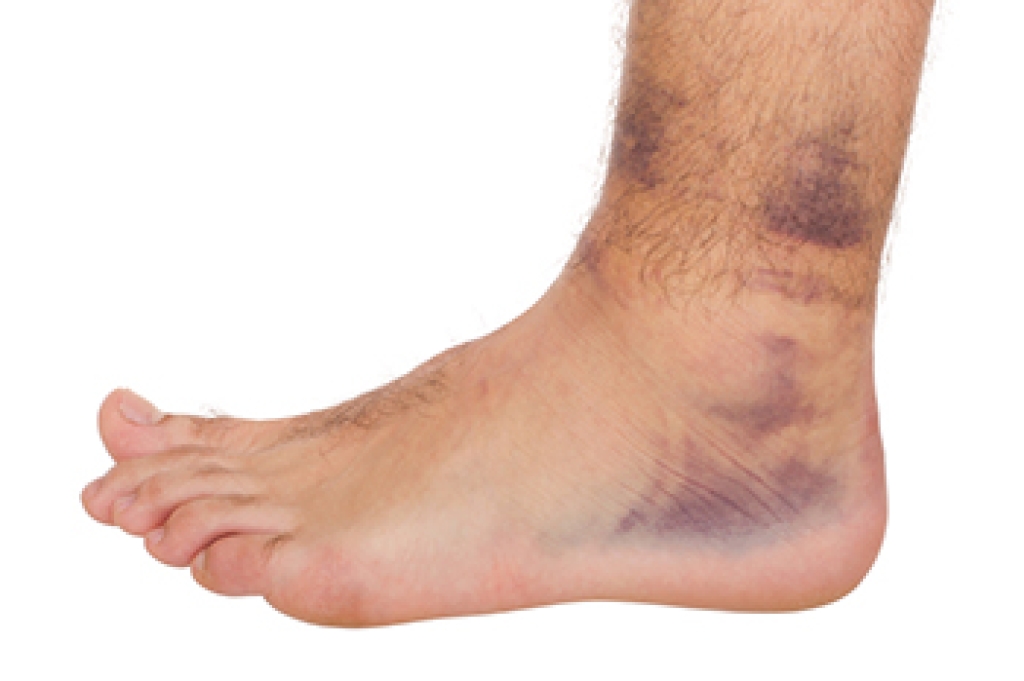
An ankle sprain is a common musculoskeletal injury that occurs when the ligaments supporting the ankle stretch or tear due to sudden twisting or rolling of the joint. Causes often include sports activities, uneven surfaces, wearing improper footwear, or missteps during daily movement. Risk factors include previous ankle injuries, weak ankle muscles, poor balance, and high-impact activities. Symptoms typically involve pain, swelling, bruising, tenderness, and difficulty bearing weight. A mild or Grade I sprain involves slight ligament stretching. A moderate or Grade II sprain includes partial tearing with noticeable swelling. Lastly, a severe or Grade III sprain is a complete ligament tear causing instability. A podiatrist can provide an accurate diagnosis, personalized treatment, and rehabilitation. If you have endured an ankle sprain, it is suggested that you consult a podiatrist who can offer effective relief and treatment solutions.

Although ankle sprains are common, they aren’t always minor injuries. If you need your ankle injury looked at, contact Gregory Kranzusch, DPM from Foot and Ankle Center of St. Charles County. Our doctors can provide the care you need to keep you pain-free and on your feet.

How Does an Ankle Sprain Occur?

Ankle sprains are the result of a tear in the ligaments within the ankle. These injuries may happen when you make a rapid shifting movement while your foot is planted. A less common way to sprain your ankle is when your ankle rolls inward while your foot turns outward.

What Are the Symptoms?

  • Pain at the sight of the tear
  • Bruising/Swelling
  • Ankle area is tender to touch
  • In severe cases, may hear/feel something tear
  • Skin discoloration

Preventing a Sprain

  • Wearing appropriate shoes for the occasion
  • Stretching before exercises and sports
  • Knowing your limits

Treatment of a Sprain

In many cases, the RICE method (Rest, Ice, Compression, and Elevate) is used to treat ankle sprains. However, you should see a podiatrist to see which treatment option would work best with your injury. In severe cases, surgery may be required.

It is important to ask your doctor about rehab options after you receive treatment for your injury. Stretching, strength training, and balance exercises may help the ankle heal while also preventing further injury.

If you have any questions, please feel free to contact our office located in St. Charles, MO . We offer the newest diagnostic and treatment technologies for all your foot care needs.

Read more about Ankle Sprains

Simple Exercises to Keep Toes and Ankles Moving Well

Gentle exercises can help maintain strength, flexibility, and circulation in the toes, feet, and ankles, especially if you spend a lot of time sitting or notice stiffness when walking. For the toes, try towel scrunches by placing a towel on the floor and using your toes to pull it toward you, which helps activate small stabilizing muscles. For the feet, seated arch lifts are helpful. With feet flat on the floor, gently raise the arch while keeping toes and heel down, then relax. This supports foot alignment and control. For the ankles, ankle circles are an easy option. Slowly rotate the ankle in one direction, then reverse, focusing on smooth movement. These simple exercises can support comfort and balance, but persistent pain or stiffness should be evaluated. If you have foot pain, it is suggested that you consult a podiatrist who can treat various foot and ankle conditions, and guide you on additional foot stretches, tailored to your needs.

Stretching the feet is a great way to prevent injuries. If you have any concerns with your feet consult with Gregory Kranzusch, DPM from Foot and Ankle Center of St. Charles County. Our doctors will assess your condition and provide you with quality foot and ankle treatment.

Stretching the Feet

Being the backbone of the body, the feet carry your entire weight and can easily become overexerted, causing cramps and pain. As with any body part, stretching your feet can serve many benefits. From increasing flexibility to even providing some pain relief, be sure to give your feet a stretch from time to time. This is especially important for athletes or anyone performing aerobic exercises, but anyone experiencing foot pain or is on their feet constantly should also engage in this practice.

Great ways to stretch your feet:

  • Crossing one leg over the others and carefully pull your toes back. Do 10-20 repetitions and repeat the process for each foot
  • Face a wall with your arms out and hands flat against the wall. Step back with one foot and keep it flat on the floor while moving the other leg forward. Lean towards the wall until you feel a stretch. Hold for 30 seconds and perform 10 repetitions for each foot
  • Be sure not to overextend or push your limbs too hard or you could risk pulling or straining your muscle

Individuals who tend to their feet by regular stretching every day should be able to minimize foot pain and prevent new problems from arising.

If you have any questions please contact our office located in St. Charles, MO . We offer the newest diagnostic and treatment technologies for all your foot and ankle needs.

Read more about Stretching Your Feet

We Can Treat Your Foot or Ankle Pain

Foot or ankle pain can negatively affect your day-to-day life and can occur due to several different conditions. Pain can also be an indicator of a more serious underlying condition, which is why you should seek professional help as soon as you notice any abnormalities in your feet.

Advanced Podiatric Procedures & Services in the St. Charles County, MO: St. Charles, O’Fallon, St. Peters, Weldon Spring, Lake St. Louis, Dardenne Prairie, Cottleville, Wentzville, Augusta, St. Louis County, MO: Chesterfield, Ballwin, Ellisville, Wildwood, Town and Country, Bridgeton, Lincoln County, MO: Troy, Elsberry, Moscow Mills areas