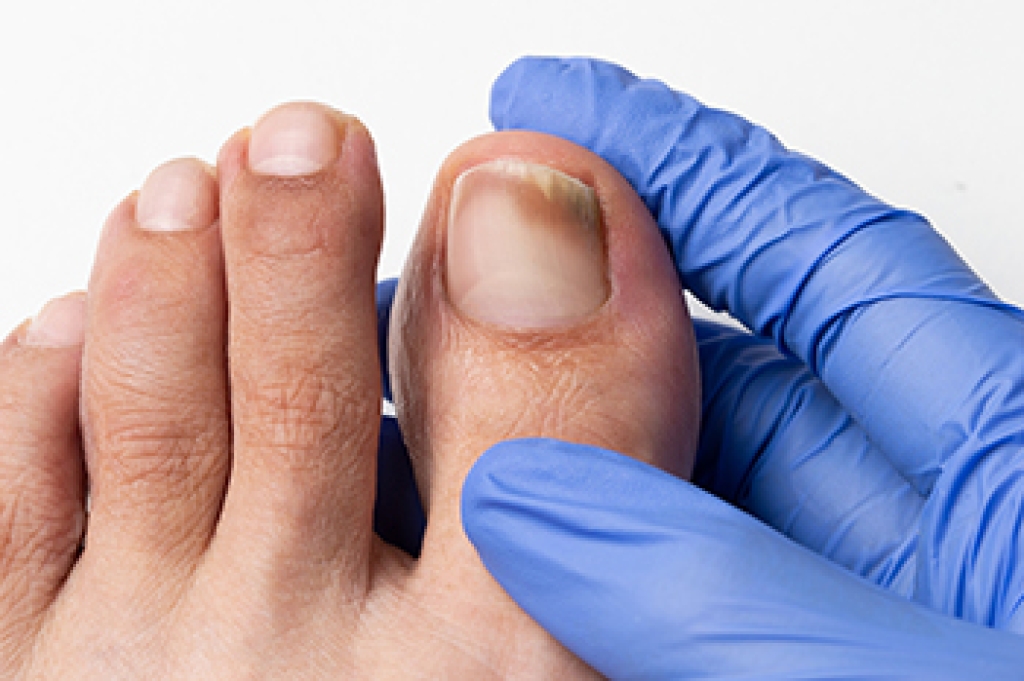
Toenail Fungus Explained

Toenail fungus, medically called onychomycosis, is a common infection affecting the nail. It develops when fungi enter through small cracks in the nail or nearby skin. An infected toenail may become thick, discolored, or difficult to trim. You may notice yellow, white, or brown changes in the nail. The nail can also develop an unusual shape or odor. Although toenail fungus is usually not dangerous, it can spread to other nails and skin without timely treatment.

Several factors can increase the risk of developing toenail fungus. Warm, damp environments allow fungi to grow easily. Sweaty feet, shared locker rooms, and tight shoes can increase exposure. Previous nail injuries may also make infection more likely. Older adults have a higher risk because nails can become thicker and grow more slowly. People with reduced circulation or certain health conditions may also face greater risk. Walking barefoot in public wet areas can increase exposure.


A podiatrist can determine whether nail changes are caused by fungus or another condition. The evaluation includes examining the nail. A small nail sample may be tested to confirm onychomycosis before treatment begins. Depending on the infection, treatment may include prescription antifungal medication, or removal of nail material. The podiatrist may also recommend keeping feet dry, changing socks, and disinfecting footwear. Follow-up visits can help monitor nail growth and confirm improvement.


Toenail fungus can take time to resolve because healthy nails must grow out. Completing the recommended treatment is important, even when the nail begins looking better. Avoid picking at damaged nails, and do not share nail clippers or footwear with others. Early care may help prevent infection from spreading. If you have toenail fungus, it is suggested that you consult a podiatrist for effective treatment solutions.

For more information about treatment, contact Gregory Kranzusch, DPM of Foot and Ankle Center of St. Charles County. Our doctors can provide the care you need to keep you pain-free and on your feet.

Toenail Fungus Treatment

Toenail fungus is a condition that affects many people and can be especially hard to get rid of. Fortunately, there are several methods to go about treating and avoiding it.

Antifungals & Deterrence

Oral antifungal medicine has been shown to be effective in many cases. It is important to consult with a podiatrist to determine the proper regiment for you, or potentially explore other options.

Applying foot powder on the feet and shoes helps keep the feet free of moisture and sweat.

Sandals or open toed shoes – Wearing these will allow air movement and help keep feet dry. They also expose your feet to light, which fungus cannot tolerate. Socks with moisture wicking material also help as well.

If you have any questions please contact our office located in St. Charles, MO . We offer the newest diagnostic and treatment technologies for all your foot and ankle needs.


Read more about How to Treat Your Toenail Fungus

Nerve Pain From Morton’s Neuroma

Morton’s neuroma is a painful thickening of tissue surrounding a nerve in the ball of the foot. It is benign, meaning it is not cancerous. The condition usually develops between the third and fourth toes, although it can also form between the second and third toes. Pressure on the nerve can cause burning pain, tingling, or numbness. Some patients describe feeling as though a pebble is trapped beneath the foot or a sock is bunched under the toes. Symptoms can spread into nearby toes and become worse with standing or activity.

The exact reason Morton’s neuroma begins is not always clear. Wearing high-heeled shoes that have a narrow toe box can squeeze the front of the foot and increase pressure on the nerve. Running and other high-impact activities can also irritate this area. Certain foot shapes or movement problems may place added stress on the ball of the foot. A podiatrist examines the painful area and gently presses the sides of the foot to check whether this brings on the symptoms. X-rays can rule out a fracture or another bone problem. An ultrasound or MRI scan may be ordered when the diagnosis remains uncertain.

Treatment from a podiatrist focuses on easing pressure and calming nerve irritation. The podiatrist may recommend shoes with a wide toe box, a low heel, and proper support. Custom orthotics can improve how pressure is distributed across the foot. Special padding can also reduce stress near the affected nerve. Depending on the severity of the symptoms, the podiatrist may provide an injection to reduce pain and inflammation. When these treatments do not provide enough relief, surgery may be considered to create more room for the nerve or remove the damaged section. If you have symptoms of Morton's neuroma, it is suggested that you schedule an appointment with a podiatrist for diagnosis and appropriate treatment.

Morton’s neuroma is a very uncomfortable condition to live with. If you think you have Morton’s neuroma, contact Gregory Kranzusch, DPM of Foot and Ankle Center of St. Charles County. Our doctors will attend to all of your foot care needs and answer any of your related questions.  

Morton’s Neuroma

Morton's neuroma is a painful foot condition that commonly affects the areas between the second and third or third and fourth toe, although other areas of the foot are also susceptible. Morton’s neuroma is caused by an inflamed nerve in the foot that is being squeezed and aggravated by surrounding bones.

What Increases the Chances of Having Morton’s Neuroma?

  • Ill-fitting high heels or shoes that add pressure to the toe or foot
  • Jogging, running or any sport that involves constant impact to the foot
  • Flat feet, bunions, and any other foot deformities

Morton’s neuroma is a very treatable condition. Orthotics and shoe inserts can often be used to alleviate the pain on the forefront of the feet. In more severe cases, corticosteroids can also be prescribed. In order to figure out the best treatment for your neuroma, it’s recommended to seek the care of a podiatrist who can diagnose your condition and provide different treatment options.

If you have any questions, please feel free to contact our office located in St. Charles, MO . We offer the newest diagnostic and treatment technologies for all your foot care needs.

Read more about What is Morton's Neuroma?

Wounds That Don't Heal Need to Be Checked

Your feet are covered most of the day. If you're diabetic, periodic screening is important for good health. Numbness is often a sign of diabetic foot and can mask a sore or wound.

Advanced Podiatric Procedures & Services in the St. Charles County, MO: St. Charles, O’Fallon, St. Peters, Weldon Spring, Lake St. Louis, Dardenne Prairie, Cottleville, Wentzville, Augusta, St. Louis County, MO: Chesterfield, Ballwin, Ellisville, Wildwood, Town and Country, Bridgeton, Lincoln County, MO: Troy, Elsberry, Moscow Mills areas